

BELEM, BRAZIL — With pressure mounting to deliver a consensus by week’s end, climate negotiators at COP30 were presented with the first official draft agreement Tuesday — a nine-page framework that simultaneously reflects progress and sharp discord among participating nations.
The host country Brazil, urging round-the-clock negotiations, unveiled the “Global Mutirão” draft — named after an Indigenous concept of collective action — in an attempt to break the deadlock on critical topics such as climate finance, fossil fuel phase-out, and trade-linked climate enforcement.
The draft stops short of firm commitments, instead laying out multiple pathways on almost every contentious issue. This includes optional language around phasing out fossil fuels — a key demand from climate-vulnerable nations — versus more tepid proposals backed by oil-rich states seeking to preserve economic leeway.
Three divergent options are offered: a formal global roadmap toward reducing fossil fuel reliance, a voluntary dialogue on low-carbon alternatives, or no reference at all. The inclusion of such flexible language highlights the challenges ahead for negotiators tasked with transforming suggestions into a binding agreement.
In a bold move, the text also proposes shifting from a five-year to an annual review of national climate commitments, potentially creating a tighter feedback loop to track global emissions progress. This suggestion has received cautious support from several nations but faces scrutiny from those wary of added pressure and oversight.
Developing nations, long vocal about inequities in climate funding, are again demanding stronger financial backing. The draft floats a possible tripling of adaptation support by 2030 or 2035 — a key ask from the Global South — though any binding commitment remains uncertain as wealthier nations remain cautious about reopening past financing terms.
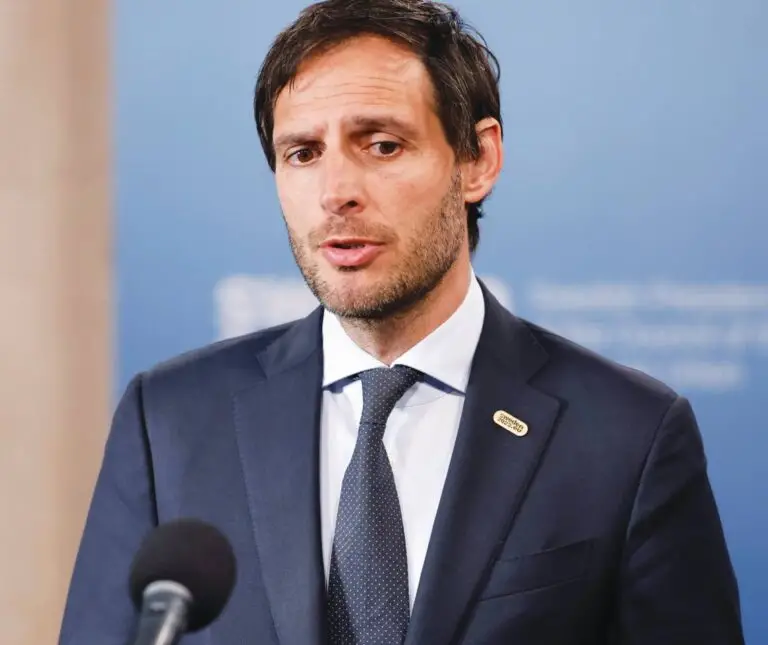
EU climate commissioner Wopke Hoekstra, speaking after the draft’s release, firmly ruled out renegotiating financial pledges or entertaining what he described as “phony trade debates.” His remarks came amid growing resistance — particularly from China and its allies — against the European Union’s carbon border adjustment mechanism and other unilateral measures.
To address these rising tensions, the draft introduces four potential paths to manage climate-related trade disputes. Among them: a proposed UN-hosted summit to handle conflicts arising from national climate tariffs and regulations.
Despite the unresolved issues, observers noted the timing of the draft release was unusually early for a COP session. Climate analyst Li Shuo characterized the move as a sign of procedural discipline and a foundation for a potential breakthrough, though he acknowledged that bridging the ideological rifts would require sustained political will.
As COP30 heads into its final stretch, negotiators now face the daunting task of refining the draft into a unified vision. With competing interests on fossil fuels, climate financing, and trade enforcement, the next 72 hours could determine whether Belem becomes a milestone or a missed opportunity in global climate diplomacy.