

As consumers express their frustrations over rising prices, the Consumer Affairs Commission (CAC) is stepping in to clarify what constitutes price gouging and what does not. In a landscape where complaints are often vocal yet informal, the CAC emphasizes that not all price hikes signify exploitation.
Price gouging refers specifically to unreasonable price surges, often seen during emergencies or crises, where essential items are marked up significantly—sometimes by two to three times their usual cost. Such scenarios typically arise in response to supply chain disruptions caused by natural disasters or other unforeseen events, leading to an imbalance in the availability of goods.
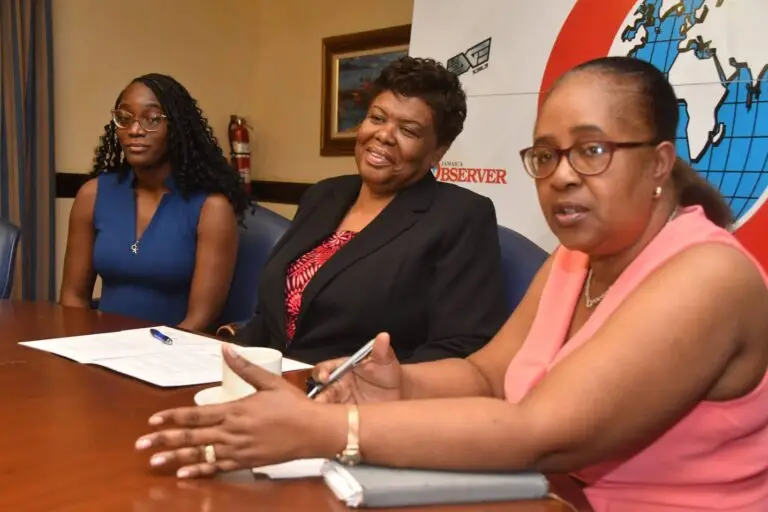
Cheryl Martin Tracey, the Director of Field Operations at CAC, addressed this issue during a recent Jamaica Observer Business Forum. She explained, “A rise in price doesn’t automatically mean price gouging. For example, if someone buys lunch for $200 one day and $250 the next, it may simply reflect fluctuations in ingredient costs rather than an exploitative increase.”
The ramifications for businesses found guilty of price gouging are severe, with potential fines reaching up to $2 million or imprisonment for up to two years, either with or without hard labor. Martin Tracey highlighted the importance of verifying claims of unjustified price hikes before taking action.
In the aftermath of Hurricane Beryl, which caused considerable disruption, CAC’s CEO Dolsie Allen noted that surveys indicated a stable pricing environment for basic food items, despite initial fears of price gouging. “The principles of a free market govern our economy. We cannot dictate how businesses should price their goods. Instead, we encourage consumers to compare prices and make informed purchases,” Allen said.
Initially established as the Prices Commission in 1971, the CAC transitioned to its current role following a government shift towards a liberalized economy. Now operating under the Consumer Protection Act of 2005, the commission’s main goal is to educate and empower consumers to navigate the marketplace effectively.
Despite public outcry regarding price gouging, formal complaints have been surprisingly low, with fewer than five reports received this year. Allen remarked, “While media coverage and social media chatter about price gouging are prevalent, the actual formal complaints are minimal. Most issues reported are related to defective products rather than excessive pricing.”
The CAC urges consumers to utilize formal reporting channels for complaints, available at their offices in Kingston, Montego Bay, and Mandeville, as well as through their website, social media platforms, and contact numbers.
“Consumer education is vital. Through our interactions, we aim to empower individuals to make informed purchasing choices. We cannot dictate shopping behavior, but we encourage consumers to be vigilant and compare prices before making purchases,” added Martin Tracey.