


Jamaica is embarking on a transformative journey in its financial regulatory landscape, shifting towards a twin peaks model that promises to enhance consumer protection and ensure market integrity. This shift comes in response to increasing demands for comprehensive oversight of the financial sector, especially following significant fraud scandals that raised alarms about existing regulatory frameworks.
In January 2023, former Finance Minister Dr. Nigel Clarke announced plans for a radical restructuring of the country’s financial oversight system. Under the current model, the Financial Services Commission (FSC) and the Bank of Jamaica (BOJ) operate in silos, each governing distinct sectors: the FSC manages non-deposit institutions, while the BOJ oversees banks and other deposit-taking entities. The proposed model envisions the BOJ taking the lead in regulating all financial institutions, with the FSC focusing on market conduct and protecting consumers from malpractice.
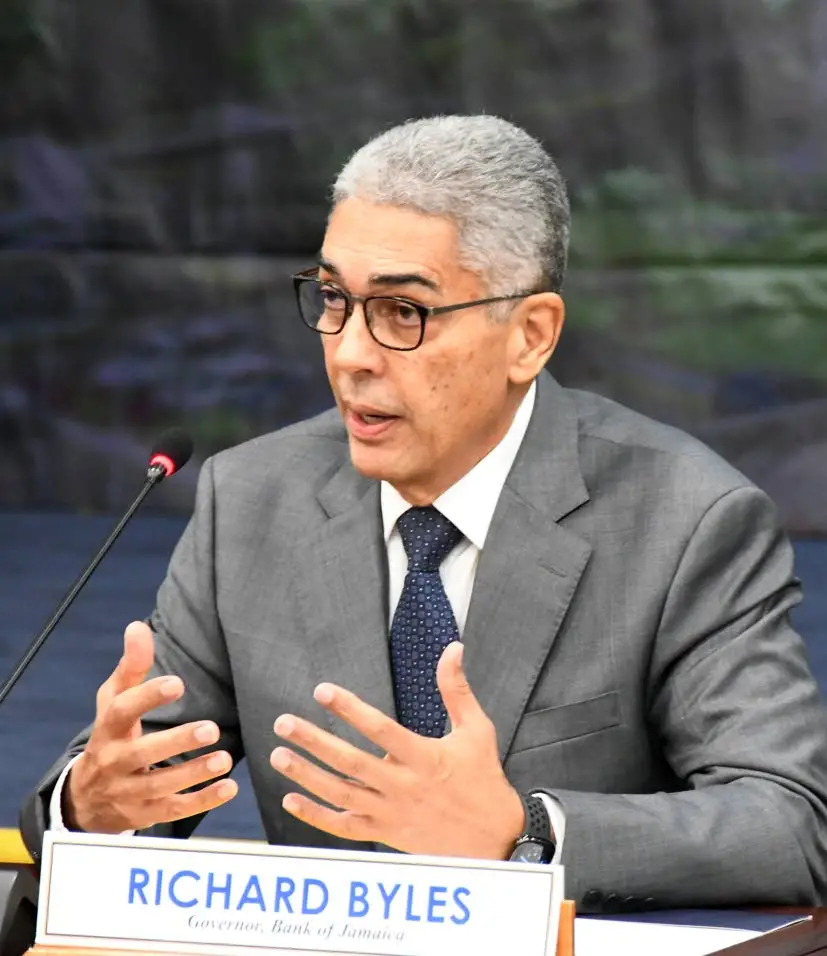
To kickstart this initiative, the BOJ has released a concept paper outlining the new regulatory framework and has begun consultations with industry stakeholders, including associations representing banks, securities dealers, and insurance companies. However, the general public has largely been excluded from this initial discourse, raising concerns about the inclusivity of the regulatory process. BOJ Governor Richard Byles acknowledged this gap, emphasizing that meaningful public engagement will be essential once the legislation is prepared for Cabinet review.
The need for this regulatory overhaul was underscored by a scandal involving Stocks and Securities Limited, where allegations surfaced that over $4 billion was misappropriated from clients, including high-profile investors linked to popular figures in Jamaican culture. This incident not only heightened scrutiny of existing regulations but also served as a rallying cry for reform.
Despite ambitious timelines, the transition to the twin peaks model is expected to take several years, with estimates suggesting full implementation by 2026. Byles indicated that the legislative process could be prolonged, given the complexities involved in enacting comprehensive reforms. The BOJ is actively seeking international guidance to help design a legislative framework that addresses consumer protection and market conduct, aiming to strike a balance between fostering innovation and safeguarding investors.
Presently, the BOJ operates a consumer complaints office to manage issues related to banking services; however, its powers to address grievances—particularly regarding fraud—are limited. The FSC is also in the process of assessing its regulatory efficacy, engaging experts to determine the necessary adjustments to uphold market integrity and investor protection.
The transition to the twin peaks model will occur in two distinct phases. The first phase focuses on amending existing laws to enhance the FSC’s enforcement powers and to clarify its role in regulating market behavior. The second phase will involve additional legislative changes, potentially including the establishment of an independent ombudsman to handle consumer disputes, ensuring that consumers have accessible avenues for redress.
As Jamaica prepares for these regulatory changes, Byles highlighted the importance of stakeholder input to shape the evolving landscape. The current discussions will provide an opportunity for regulators to address public concerns and ensure that the new framework effectively meets the needs of all financial sector participants.
In addition to these regulatory reforms, the BOJ is piloting new prudential regulations for various financial entities, signifying a proactive approach to oversight. Meanwhile, the FSC is conducting evaluations of market conduct, reinforcing its commitment to maintaining trust and transparency within the financial system.
As the landscape shifts, the BOJ is also mindful of external economic factors that may influence its policies, particularly inflation and global monetary trends. With inflation rates hovering around 5.7%, the BOJ is committed to closely monitoring economic indicators and responding appropriately to ensure the stability of Jamaica’s financial environment.
This new regulatory approach in Jamaica marks a significant step towards a more integrated and consumer-focused financial sector, aiming to build confidence among investors and protect the interests of all stakeholders involved.


