

KINGSTON, Jamaica — A new chapter in global ocean governance has begun, and Jamaica intends to be at the helm.
With the United Nations’ High Seas Treaty—officially in force as of January 17—global efforts to preserve marine biodiversity beyond national borders now enter a legally binding phase. For Jamaica, this marks a critical inflection point in aligning domestic ocean strategy with international law to extract both environmental and economic gains.
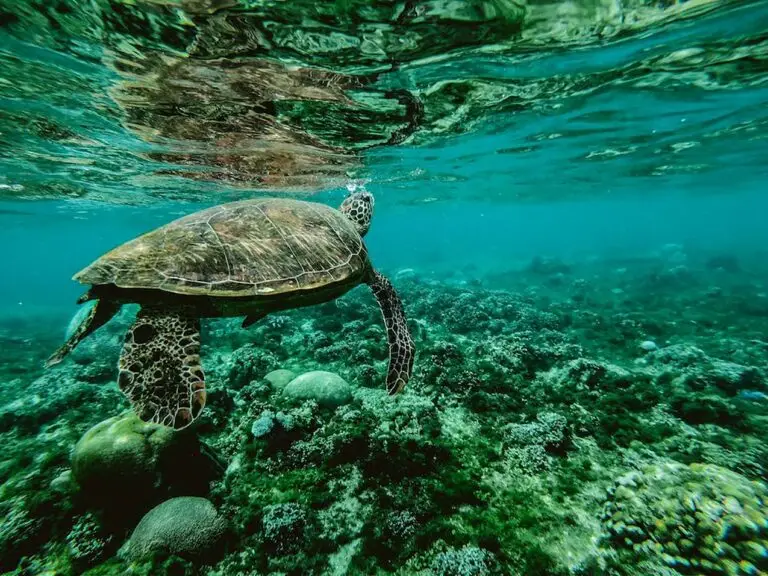
The treaty, formally known as the Agreement on the Conservation and Sustainable Use of Marine Biological Diversity of Areas Beyond National Jurisdiction (BBNJ), provides countries with a blueprint to collaborate on marine conservation, scientific exchange, and benefit-sharing from marine genetic resources that lie in the deep ocean—areas previously ungoverned.
Jamaica has wasted no time planting its flag in this new space. After playing an instrumental role in the treaty’s negotiation phase, the island moved swiftly to sign in September 2024 and ratified the agreement by June 2025. It now stands as one of the early actors ready to operationalize its provisions.
Foreign Minister Kamina Johnson Smith, a key figure in the treaty process, pointed to the island’s expanding engagement with blue economy strategies. “We’re not starting from scratch,” she emphasized, citing ongoing programs around sustainable fisheries, reef restoration, and marine data. The BBNJ Agreement, she added, offers the legal scaffold to go further—unlocking foreign partnerships, research funding, and governance mechanisms that previously lay beyond reach.
At the geopolitical level, Jamaica is also uniquely positioned. As host of the International Seabed Authority (ISA), the country already serves as a nerve center for oceanic regulatory affairs under the UN Convention on the Law of the Sea (UNCLOS). The High Seas Treaty amplifies that leverage.
That influence is compounded by Prime Minister Andrew Holness’ founding role in the High-Level Panel for a Sustainable Ocean Economy—one of the few forums where climate diplomacy intersects with real economic development plans. Jamaica’s dual positioning—both as steward and strategic beneficiary—underscores its ability to bridge the gap between environmental imperatives and sovereign development goals.
Johnson Smith also noted the institutional depth now forming around this agenda, including coordination with the Ministry of Water, Environment and Climate Change and Jamaica’s recent re-election to category ‘C’ of the International Maritime Organization—credentials that enhance its credibility on the global maritime stage.
More than symbolic, these moves reflect a structural pivot. The treaty’s activation comes at a time when marine resources are increasingly viewed not just as ecosystems to protect, but as high-value economic assets—ranging from carbon sinks to pharmaceutical-grade bioresources.
Jamaica’s next moves could set the precedent for how small island states assert power in the blue economy—through law, diplomacy, and a strategic claim to the ocean’s future.