

In the aftermath of Hurricane Melissa, as blackouts stretch from hours to days, a quiet revolution is taking place in Jamaican homes: the rise of portable solar survival kits.
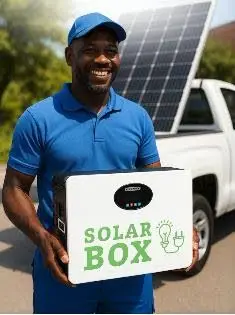
No longer relying on noisy generators or expensive fuel runs, households are instead opting for sleek, self-powered boxes designed for one mission—keeping critical appliances alive when the grid goes dark. These all-in-one solar units, often small enough to fit in the corner of a room, are emerging as a defining symbol of post-disaster preparedness and everyday autonomy.
A Minimalist Power Solution
Unlike rooftop solar systems that aim to offset entire electricity bills, these kits are tactical. Typically equipped with a compact 700-watt panel, deep-cycle battery, and a digital charge controller, they are engineered to keep the bare essentials humming: the fridge, a router, mobile phones, and a few lights. No technician required.
A local distributor described it succinctly: “It’s not your whole-house solution. It’s your ‘stay-sane-during-a-blackout’ kit.”
Each unit provides 110V AC output with a modest wattage ceiling—enough to run a refrigerator or light up a workspace, but not both simultaneously. The key, users are told, is load discipline. Those who make it work often follow a cycle: run the fridge during sunlight hours, then switch to fans or devices at night to stretch the stored power.
Affordability Meets Utility
With a retail price hovering around J$200,000, these systems are cheaper than installing full solar arrays and significantly quieter than gas-powered backups. Everything comes pre-packaged: cables, brackets, and even step-by-step video tutorials for DIY setup. No permits. No fuss.
The surge in adoption isn’t just about storm prep—it’s about cutting rising electricity bills. Some users report saving J$5,000 to J$10,000 a month by shifting daily power usage onto these kits, a move that makes them more than just emergency tools.
Market Scramble Post-Melissa
Retailers are struggling to meet the sudden spike in demand. With post-hurricane orders overwhelming forecasts, waitlists have formed, and restocking efforts are underway to prepare for the next major storm. The units, designed for long-term use, are rated to last up to 10 years with proper care.
As blackouts become more frequent and Jamaicans rethink their energy dependency, these compact solar units are no longer niche—they’re necessary. What started as a crisis response is fast evolving into a national shift toward decentralized energy.
And in a country blessed with year-round sunshine, the sun-in-a-box approach might just be the most Jamaican solution of all.