

PHOENIX, ARIZONA — Under the shadow of a fractured political landscape, a stadium packed with tens of thousands stood not merely to mourn, but to mythologize. A slain figure, lionized in death, was elevated beyond politics—into iconography. Sunday’s gathering in Arizona transcended the traditional boundaries of a memorial; it was a declaration, a rallying cry, and an unmistakable show of power.
At the center of it all stood the President of the United States, who arrived with the air of a man orchestrating something far larger than remembrance. “We gather not to grieve, but to honor,” he said, voice solemn yet resolute. “This was a man who gave his life in the battle for truth.”
The man in question, a 31-year-old conservative firebrand gunned down mid-speech at a Utah university, had long been a polarizing figure. A provocateur to his critics, a prophet to his base. His death was immediate. Its political aftershock, enduring.
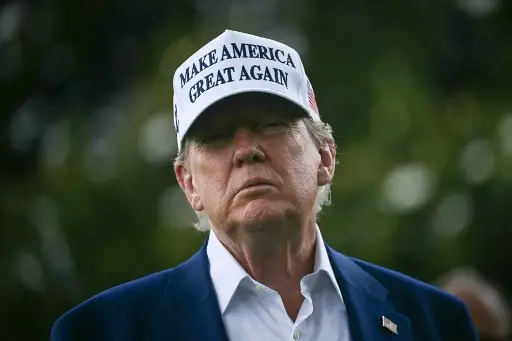
Attendees began queuing before dawn, many draped in national flags or donning red caps that have become synonymous with the modern conservative movement. The message was unmistakable: this was not just about loss—it was about legacy.
“I drove from Mississippi for this,” said one woman in her sixties, tears pooling beneath her sunglasses. “This wasn’t just a man. He was a vessel for the fight we’re all in.”
The roster of speakers read like a cabinet meeting fused with a media blitz. The Vice President, Secretaries of State and Defense, the Director of National Intelligence, and even a former presidential candidate turned media insurgent—each took the stage to paint the fallen as a symbol, not of moderation, but of mission.
His widow’s speech drew the most thunderous ovation. “He knew the cost of truth. And he paid it,” she declared, announcing her intent to lead the movement her husband built. The crowd roared not with sympathy, but with zeal.
Behind the grandeur, a darker undercurrent churned. Within days of the murder, federal officials announced sweeping crackdowns on what they termed “left-wing extremist threats,” promising new designations and enforcement priorities that critics warn blur the line between justice and retribution.
Broadcast networks critical of the administration were hit with sudden regulatory threats. One late-night host disappeared from airwaves following remarks deemed “inciting.” The government’s silence on the matter has only fueled concerns of creeping censorship.
Political analysts are divided on whether this weekend marks a turning point or an entrenchment. What is clear, however, is that the fusion of martyrdom, spectacle, and executive force is no longer taboo—it’s strategic.
This wasn’t merely a memorial. It was a message. One etched not in eulogy, but in power.