
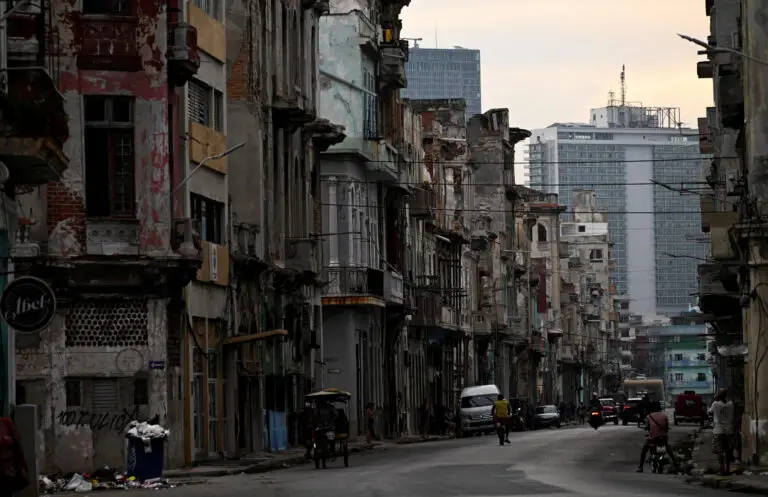

For nearly an entire day this week, Cuba was cast into darkness. Streets fell quiet, shops shuttered, and families huddled indoors as the island endured yet another nationwide power outage—an ordeal that has become disturbingly routine.
When the electricity flickered back in parts of Havana at dawn, relief was tempered with resignation. Residents like 58-year-old Maria Beltrán admitted they had left every light on overnight, desperate for a signal that life could resume. “It’s not just the heat or the darkness,” she said. “It’s the waiting, the not knowing.”
These blackouts no longer surprise Cubans. The island’s outdated power stations, many decades old, stagger under the weight of constant demand, while shortages of imported fuel make each breakdown harder to patch. Temporary fixes—from Turkish floating plants to hurried solar projects—offer only partial relief.
But the cost is more than technical. Each outage halts businesses, silences schools, and reminds citizens of an economy stretched to its breaking point. For a country already navigating its harshest financial storm in decades, the grid’s collapse has become both symptom and symbol of national fragility.
Cuba’s leaders insist improvements are underway, pointing to new renewable energy projects. Yet as protests occasionally flare and daily life bends under the strain, confidence in a brighter future remains dim. For millions, the question is no longer when the lights will return, but how long they will last once they do.