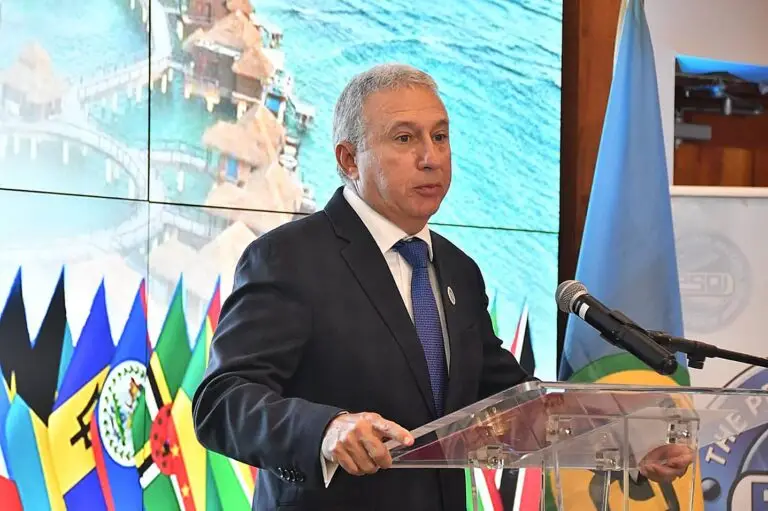



Barbados is redrawing the lines of belonging. In a sweeping policy shift, Prime Minister Mia Mottley announced reforms that will anchor citizenship more firmly in heritage, regional bonds, and productive contribution — while shutting the door firmly on the global market of passport-for-sale schemes.
Lineage Before Capital
The most striking feature of the reform is the expansion of citizenship by descent. Barbados will now recognize the right of citizenship for descendants up to the great-grandchild level. The move signals a philosophical return to roots, ensuring that those tied to the island by bloodline — however many generations removed — remain at the front of the line.
The policy is a calculated response to demographic decline. With births now outpaced by deaths, the island faces a shrinking population. Rather than importing people indiscriminately, the government is choosing to extend its hand first to its diaspora — an act of both preservation and renewal.
Caricom First, Global Investors Later
Mottley placed heavy emphasis on Barbados’ obligations to its Caribbean partners. Caricom nationals will be given preferential access to Barbadian citizenship, reinforcing the regional project of economic and social integration. This move subtly repositions the nation within the Caricom Single Market and Economy, privileging shared history and proximity over external financial incentives.
Foreign applicants outside the region will not be excluded, but their path is defined by utility. Skills and investment that raise productivity and expand opportunity will be welcomed, but always through the filter of national interest. The policy signals that “usefulness,” not wealth alone, determines eligibility.
A Firm Rejection of Passport Commerce
Mottley’s declaration that Barbados will “never sell citizenship” draws a sharp line between Bridgetown and other Caribbean capitals that rely on Citizenship-by-Investment programmes. While some governments treat citizenship as a premium asset in global markets, Barbados insists on treating it as a trust, inseparable from national identity.
“Our passport,” Mottley said, “is not a commodity to be traded.” The refusal is not only ethical but strategic — it protects the credibility of one of the region’s strongest travel documents by insulating it from accusations of transactional legitimacy.
Building for the Future
The legislative twin pillars of this reform — the Immigration Bill and Citizenship Bill, 2025 — promise a more humane, stable system. They establish clear routes to permanent residency, simplify processes for spouses of Barbadians, and eliminate outdated immigration categories that left families in bureaucratic limbo.
But beneath the legal text lies a pragmatic logic: Barbados needs more people, but not at the cost of identity or fairness. The government’s plan hinges on upskilling locals first, filling gaps second, and ensuring every external participant transfers knowledge back into the Barbadian economy.
National Identity as Strategy
These reforms frame citizenship not as a commodity but as a carefully guarded national asset. By extending lineage rights, privileging regional ties, and rejecting the quick cash of citizenship-for-investment schemes, Barbados is making a bet: that its strength lies not in selling itself cheaply to outsiders, but in deepening its roots, stabilizing its demographics, and aligning growth with values.
In an age where borders are too often priced, Barbados is declaring a different creed: belonging cannot be bought, only earned or inherited.