

In a bold, but measured step toward modernizing football officiating, FIFA will roll out an experimental layer of technology during this month’s Club World Cup, outfitting referees with body-mounted cameras—though not for what you might expect.
The initiative isn’t aimed at transparency just yet. Despite the cutting-edge equipment, controversial moments will remain cloaked from public view. Instead, viewers will be offered cinematic angles of safer moments: pre-match rituals, goal celebrations, and non-disputed gameplay sequences.
A Lens, But Not a Voice
The device, discreetly fixed to each referee’s headset, will provide first-person visual content—minus the controversial drama. Goals and throw-ins are fair game; contentious fouls and tight penalties are not. “We’re not here to stir public trials,” said a FIFA technical lead involved in the rollout. “This is controlled visibility, not full accountability. Not yet.”
Selective Transparency, Not Radical Change
While the referee cam adds a visual layer, true decision-making power will still reside in the traditional VAR process—unchanged and still somewhat opaque. The referees’ body cam won’t intervene when tensions run high. It’s broadcast spectacle, not governance reform.
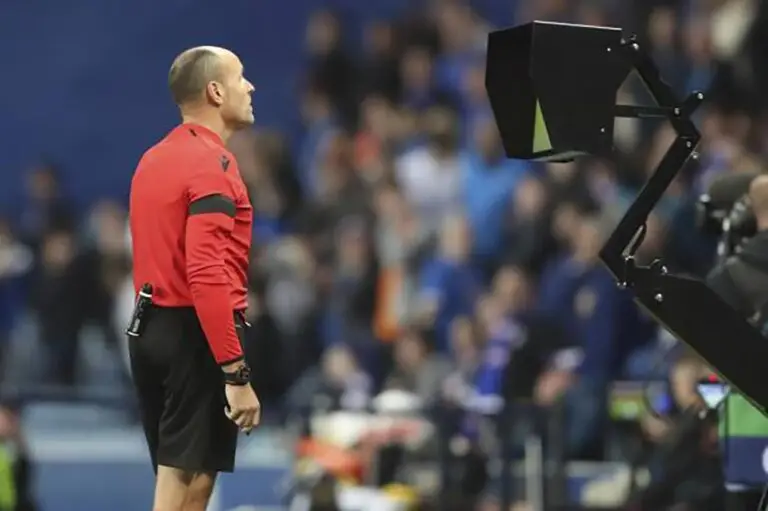
Still, fans inside the stadiums will get slightly more access: pitchside VAR monitor feeds will be displayed in real time, followed by public announcements of the decisions. It’s a lean nod to openness—without relinquishing control of the narrative.
Offside, Automated
Perhaps more consequential is FIFA’s deployment of enhanced semi-automated offside detection. The system, powered by 16 motion-tracking cameras and real-time AI analysis, will alert assistant referees through earpieces when an offside attacker contacts the ball. The effect? Faster calls, fewer delayed flags, and one less reason to halt play unnecessarily.
A Countdown on the Keeper
Another rule revision adds a subtle but noticeable shift: goalkeepers now have a strict eight seconds to release the ball. A visible countdown from referees—using hand signals—replaces the vague six-second rule previously enforced with little consistency. If the clock runs out, the opposing team earns a corner. The message: pick up the pace, or forfeit position.
The Future is Here—In Fragments
While the upgrades paint a picture of innovation, the implementation is anything but radical. FIFA’s approach is modular and cautious—rolling out fragments of the future without disrupting the structure of the present. It’s football by slow evolution, not revolution.
Don’t expect a total rethink of refereeing just yet. But do expect a game that looks, sounds, and feels a little more like tomorrow—especially if tomorrow means better camera angles and smarter algorithms, just not more answers.