

Over the past month, Dominican authorities have forcibly returned hundreds of pregnant and breastfeeding women to Haiti, raising alarms among aid agencies over the breach of international protection norms. Despite escalating insecurity along the border, these vulnerable individuals have been sent back without adequate screening or support.
Since late April, an average of 30 women per day—split evenly between those expecting infants and those nursing young children—have been processed at two major crossings. Humanitarian partners describe the operation as unprecedented in scale, with nearly 20,000 people deported by land in April alone, the highest monthly total on record.
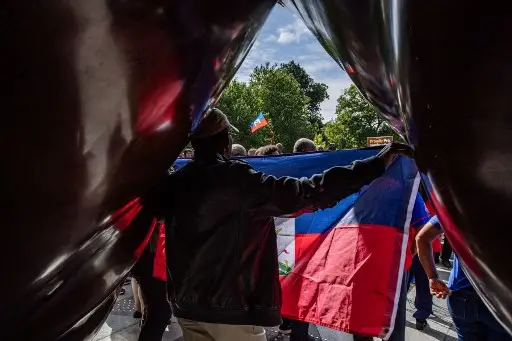
The influx places further strain on Haiti’s already fragile systems. Port-au-Prince and surrounding regions have seen political unrest and rampant gang violence drive more than a million citizens from their homes. Local shelters and medical facilities, already overwhelmed, now face fresh demands for prenatal and postnatal care.
United Nations officials have urgently called on the Dominican Republic to halt the expulsions of at-risk women, emphasizing that international refugee and human rights standards prohibit the removal of individuals in such vulnerable conditions. “We must prioritize the health and safety of mothers and infants,” stated Ulrika Richardson, the UN’s humanitarian coordinator in Haiti.
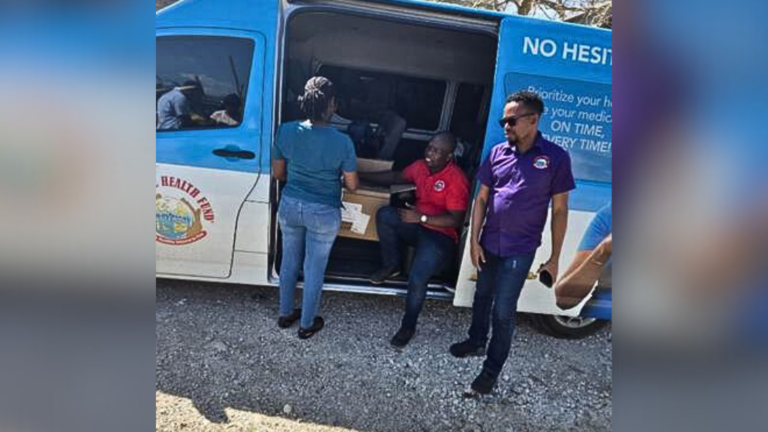
Haitian authorities, supported by the International Organization for Migration, have mobilized to provide emergency assistance at reception centers. Yet aid workers warn resources are stretched thin, and without a diplomatic solution, the cycle of displacement will intensify.
As regional tensions mount, the plight of these women underscores the urgent need for collaborative measures to protect those caught between political rhetoric and humanitarian necessity. Supporters urge both governments to establish safe, legal pathways and ensure that international obligations are fully respected.