

Nearly two centuries have passed since the first group of East Indians arrived on Jamaican soil — not as tourists or traders, but as indentured labourers stepping into the unknown. This weekend, Jamaica pauses to honour the legacy they began in 1845, a legacy that helped shape the island’s economic backbone and cultural rhythm.
Unlike previous years, the focus this time is less about nostalgia and more about impact. Organized by the National Council for Indian Culture in Jamaica, the 180th anniversary of the arrival of Indians to the island will be marked by a multi-day celebration with performances, cuisine, and public engagement — but with a renewed call for deeper cultural recognition beyond one day on the calendar.
While the flagship event unfolds at Chedwin Park on Sunday, May 11, starting at 2:00 p.m., a pre-show on Friday, May 9 at Emancipation Park will spotlight contemporary Indo-Jamaican talent — a generation that now defines itself not just by heritage, but by innovation in music, food, and social thought.
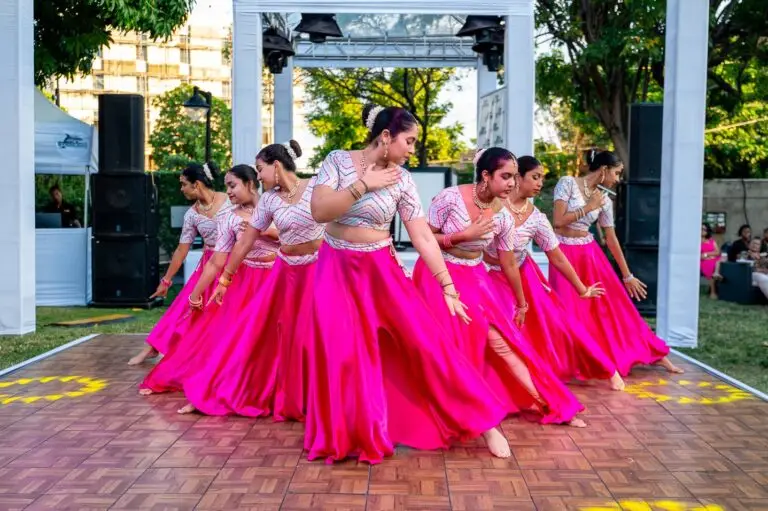
The weekend is expected to feature live sets from performers like Renuka Mahabir, Veejai Ramkissoon, and cultural ensembles including the Padatik Bollywood troupe from India. But equally anticipated are the lesser-known, homegrown acts and the curated culinary experiences — from traditional roti to bold Indo-Jamaican fusions — that represent the evolution of a diaspora no longer defined by arrival, but by identity.
This year’s milestone invites a deeper reckoning: how does a country honour the contributions of a people whose story began in hardship but flourished into something powerful? For many Indo-Jamaicans, Indian Heritage Day isn’t just about music and food — it’s about the dignity of legacy and the pursuit of permanent visibility in national discourse.
Admission to all events is free — but the real cost, as some organisers note, would be forgetting what it took to get here.