

Geneva, Switzerland — In the small hours of Wednesday morning, negotiators at the World Health Organization (WHO) headquarters broke a three‑year deadlock, endorsing a 32‑page Pandemic Agreement designed to prevent a replay of the chaos triggered by COVID‑19.
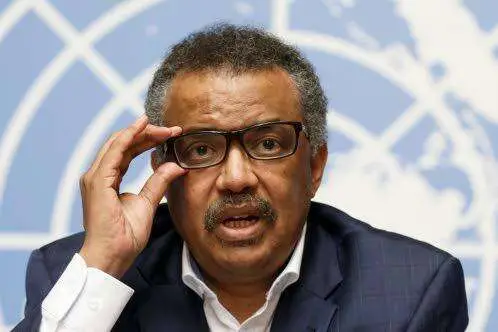
Champagne corks finally flew at 2:00 a.m. as weary delegates from every region stamped the last paragraph green, signalling full consensus. WHO Director‑General Dr Tedros Adhanom Ghebreyesus hailed the pact as proof that “even in a fractured world, multilateral action still works.”
What the Agreement Does
- Early‑warning & coordination: Countries commit to rapid data‑sharing, joint investigation teams, and pre‑cleared emergency funding channels.
- Equitable access: A pooled procurement mechanism promises low‑ and middle‑income states priority access to vaccines, diagnostics, and therapeutics.
- R&D sharing: A compromise in Article 11 requires technology transfers for pandemic tools to occur on “mutually agreed” terms—softening language that had pitted pharmaceutical powerhouses against developing nations.
- Regular stress‑tests: Signatories must run mandatory national preparedness drills, with results logged in a public WHO dashboard.
Why It Was So Hard
Talks threatened to collapse repeatedly, most recently over tech‑transfer obligations. Countries hosting big pharma firms feared compulsory sharing of intellectual property, while nations lacking production capacity warned of another vaccine‑hoarding free‑for‑all. The final tweak—making transfers voluntary but strongly incentivised—unlocked the stalemate.
Geopolitics added pressure. With the United States absent after President Donald Trump’s decision to pull out of the negotiations and slash foreign‑aid budgets, delegates worried that threatened U.S. tariffs on medicines could undermine global supply chains. Nonetheless, negotiators pressed on amid fresh outbreaks of H5N1 bird flu, mpox, measles, and Ebola that underscored the stakes.
Next Steps
The accord heads to the World Health Assembly in May for formal adoption. If ratified, it will enter into force 90 days later and carry the legal weight of an international treaty.
Anne‑Claire Amprou of France, who co‑chaired the talks, delivered the simple verdict—“It’s adopted”—to a standing ovation. She reminded delegates that “the world is watching,” and urged capitals to move quickly from signatures to implementation.
The Price of Inaction
WHO economists estimate that the global bill for COVID‑19 exceeds US$12 trillion. Dr Tedros warned negotiators that “the next virus could be deadlier than war,” adding that the cost of preparedness is a fraction of the losses already suffered.
With the text locked, focus now shifts to funding the new systems—no small feat at a time of budget cuts and vaccine fatigue. Still, after years of recrimination over the pandemic response, diplomats departed Geneva with rare optimism: this time, at least, the world agreed before the sirens began.