

Wealth loss, often driven by unexpected shocks, represents a significant drain on the economic assets of individuals, businesses, and nations. These losses can occur through several channels:
- Economic and Financial Crises: Sudden market collapses or banking crises can strip away significant portions of collective wealth. For instance, the global economic downturn experienced during the COVID-19 pandemic led to widespread financial strain, with many small businesses facing closures and individuals losing vital income sources.
- Natural and Human-Caused Disasters: Catastrophic events such as severe hurricanes, earthquakes, and conflicts not only damage infrastructure but also disrupt economic activities for extended periods. Regions affected by natural disasters often struggle with rebuilding, while communities hit by prolonged conflicts may face long-term economic stagnation.
- Mismanagement and Systemic Failures: Poor regulatory oversight or ineffective financial management can result in a rapid decline in asset values. When industries falter due to internal inefficiencies, the resulting loss of investor confidence further accelerates wealth erosion.
The ripple effects of such wealth loss extend far beyond immediate financial setbacks. They can lead to reduced employment opportunities, lower living standards, and can even challenge the very foundation of economic systems for years or decades.
The Role of Wealth Redistribution in Economic Equity
In contrast to wealth loss, wealth redistribution is a deliberate process aimed at balancing economic opportunities and reducing inequality. Redistribution involves reallocating resources from wealthier segments of society to those with less, often through policy-driven mechanisms such as:
- Progressive Taxation: By implementing tax structures that impose higher rates on the more affluent, governments can generate revenue to fund essential public services. This not only supports infrastructure, education, and healthcare but also provides a safety net for the less fortunate.
- Social Welfare Programs: Direct financial support and public investments in underserved communities are critical in leveling the economic playing field. Initiatives ranging from subsidized housing to job training programs empower individuals to contribute meaningfully to economic growth.
- Public-Private Partnerships: Collaborations between government entities and private firms can drive strategic investments that enhance community infrastructure and promote sustainable economic development.
Effective wealth redistribution can stimulate social mobility and ensure that the benefits of economic progress are shared broadly. However, it must be implemented with caution to avoid creating unintended consequences such as reduced incentives for entrepreneurial innovation.
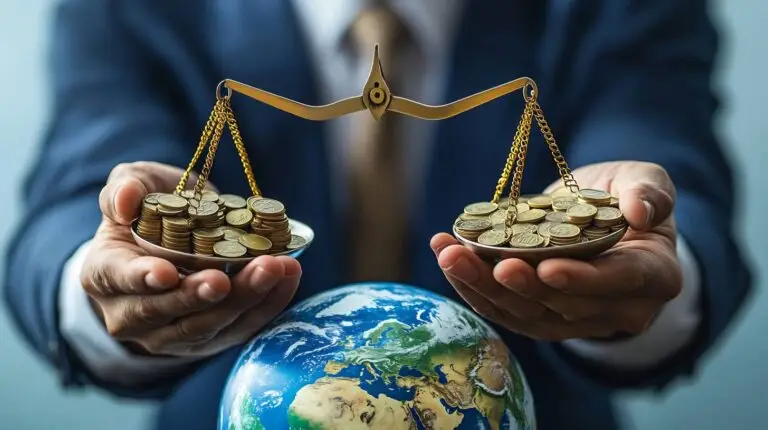
Striking the Right Balance: Wealth Creation, Loss, and Redistribution
A robust economy depends on the delicate equilibrium between generating wealth, mitigating its loss, and ensuring that redistribution efforts promote fairness without hindering growth. Key strategies for achieving this balance include:
- Encouraging Innovation and Investment: Economic growth is largely driven by entrepreneurship and innovative practices. Creating an environment that nurtures business development can generate new wealth, even in the face of inevitable losses.
- Implementing Effective Risk Management: Proactive measures—such as sound financial planning, regulatory oversight, and disaster preparedness—can help minimize the impact of wealth loss. Financial education and risk assessment are crucial tools for both individuals and institutions.
- Designing Smart Redistribution Policies: Redistribution policies should aim to support those in need while also incentivizing productivity. This involves creating a tax and welfare framework that boosts long-term investments in human capital without discouraging economic enterprise.
By harmonizing these elements, societies can build a resilient economic foundation that not only recovers from setbacks but also continually fosters equitable growth.