

In a groundbreaking move to strengthen its disaster response capabilities, Jamaica conducted an extensive mass casualty simulation on Thursday at the Ken Jones Aerodrome in Portland. The full-scale exercise, which centered around a simulated plane crash, tested the island’s emergency systems, from search and rescue operations to medical response, involving a wide range of local and international participants.
The event was a central component of Exercise Event Horizon 2025, a multinational initiative aimed at preparing governments for large-scale emergencies. Spearheaded by the Jamaica Defence Force (JDF) and the Ministry of Health and Wellness, the simulation recreated the crash of a commercial airliner, with 150 volunteer passengers staged at the crash site to undergo treatment and evacuation procedures.
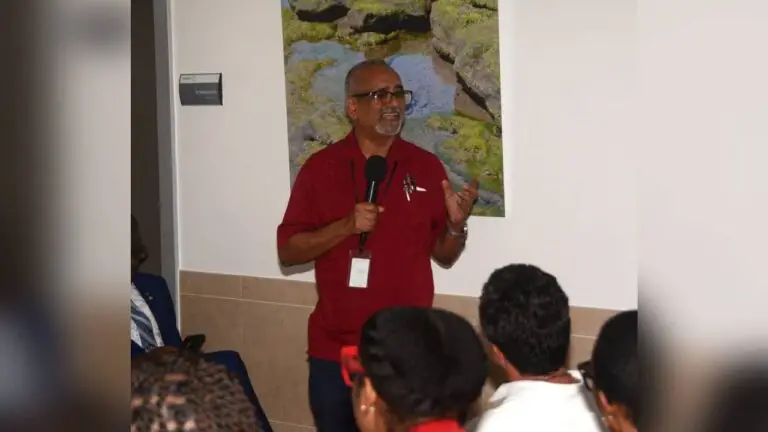
“We were able to simulate everything from search and rescue to the coordination of various emergency services in a real-time scenario,” said Noel Lewis, Acting Commanding Officer for the JDF Airwing. He noted that the exercise effectively tested Jamaica’s emergency infrastructure, with agencies responding in unison to complex and dynamic situations.
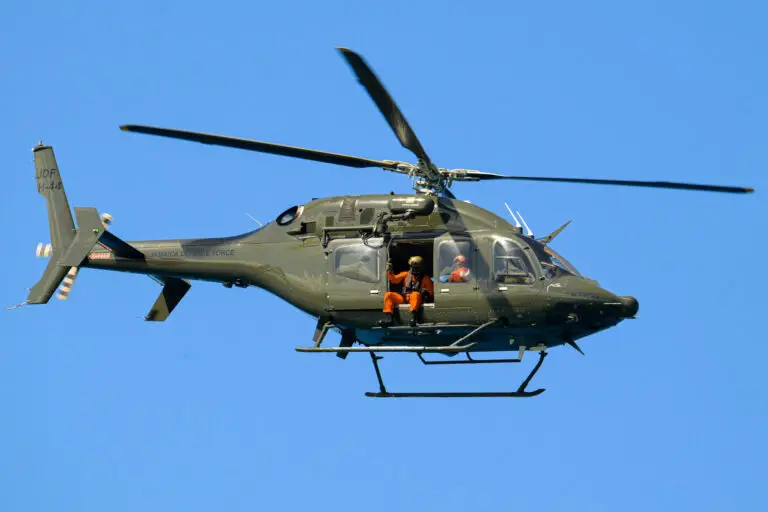
A unique feature of the exercise was the coordinated involvement of various stakeholders. The JDF provided aerial and rescue support, while the Jamaica Fire Brigade (JFB) and other emergency teams conducted ground operations. In addition to local agencies, international support came from the Costa Rican Air Vigilance Service and the Royal Bahamas Defence Force, who offered aerial surveillance and drone technology to monitor the simulated crash site.
“The use of drones for site surveillance, combined with our traditional rescue methods, allowed for an unprecedented level of situational awareness,” added Lewis.
At the medical triage site, the Ministry of Health and Wellness mobilized a team of experts to handle the treatment and transport of the injured victims. Nicole Dawkins Wright, Director for Emergency Disaster Management and Special Services, noted that the exercise tested the critical infrastructure in place for handling such large-scale events, including the rapid deployment of medical supplies and personnel.
“This exercise offered a chance to test the National Mass Rescue Operations Plan in real-time,” Dawkins Wright explained. “We were able to verify our readiness in coordinating between local hospitals, air ambulances, and other emergency response teams to ensure victims received the appropriate care.”
Among the many areas of focus during the simulation were logistics, communication, and real-time coordination. The event was a collaborative effort involving the Jamaica Constabulary Force (JCF), Airports Authority of Jamaica (AAJ), the Jamaica Civil Aviation Authority (JCAA), and several other local and international agencies.
For many involved, the drill also offered valuable lessons in optimizing response strategies. “We were able to pinpoint areas where we can improve and prepare for future events,” Lewis said. “This type of exercise is invaluable in ensuring our readiness in the face of real-life disasters.”
The success of this simulation marks a significant milestone for Jamaica in its ongoing efforts to enhance national disaster preparedness and response, showcasing the country’s commitment to protecting its citizens and strengthening international cooperation in times of crisis.