

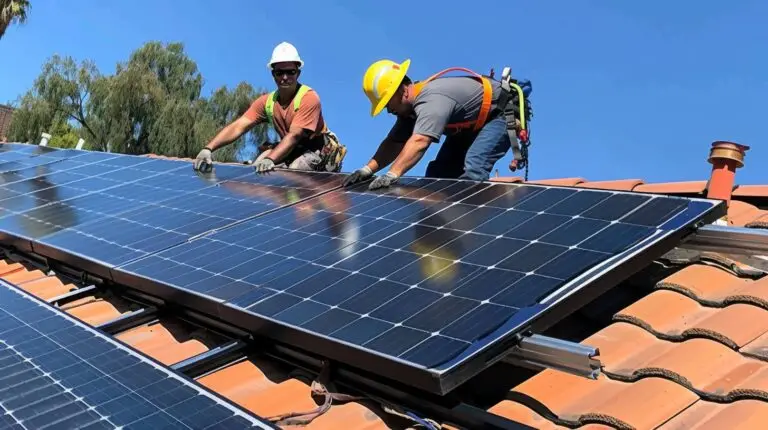

Jamaica’s push towards a greener future has been met with both hope and hurdles as a new solar tax credit programme for residential properties takes center stage. Designed to incentivize the adoption of photovoltaic systems, the initiative offers financial relief to homeowners—yet its restrictive criteria have left many feeling excluded from the renewable revolution.
Under the programme, homeowners can claim up to 30 per cent of the cost of purchasing, delivering, and installing solar systems, with a cap of $1.2 million. However, eligibility is strictly limited to properties serving as primary residences. This excludes homes used for income-generating activities, such as rentals or farming, as well as properties owned by corporate entities.
Tax Administration of Jamaica (TAJ) representative Colleen Williams addressed these challenges during a recent virtual session, explaining, “The credit is intended for individuals with principal residences. Properties used for commercial purposes or owned by companies do not qualify.”
The restrictions have sparked frustration, particularly among Jamaicans whose properties serve dual purposes. For instance, a homeowner with a small farm using solar energy for storage or operations may find their property disqualified as “mixed-use.” Similarly, individuals leasing parts of their homes may lose eligibility, even if their primary living space remains unaffected.
Corporate ownership has emerged as another significant sticking point. Many Jamaicans rely on corporate structures for estate planning or liability protection, but such properties are automatically excluded from the tax credit. As Williams explained, “The legislation does not recognize beneficial ownership. It is tied solely to the legal title.”
This rigidity has left homeowners with limited options, including the costly process of restructuring property ownership. Critics argue that these hurdles run counter to the government’s renewable energy goals by discouraging broader participation.
“Jamaica’s renewable energy strategy should reflect modern property realities,” said one solar industry advocate. “Allowing prorated credits for mixed-use properties or recognising beneficial ownership could bring more participants into the fold.”
The solar industry is also feeling the strain. Installation companies, tasked with guiding clients through the eligibility maze, report a decline in enthusiasm among potential adopters.
“It’s disheartening,” said a solar company owner. “We have people excited about going solar, only to hit a wall when they realize they don’t qualify.”
Despite the challenges, the solar tax credit marks a pivotal step in Jamaica’s energy transformation. Adjustments to the programme could open doors for thousands of homeowners, unleashing untapped potential in the renewable energy market.
As stakeholders push for reforms, the conversation is clear: Jamaica’s green future must be inclusive, adaptive, and reflective of the diverse ways Jamaicans live and own property today.