

A landmark regional workshop has solidified the Caribbean’s collective efforts to counter the growing threat of diseases spread by vectors such as mosquitoes. The gathering marked a critical step in addressing the public health challenges posed by illnesses like dengue, chikungunya, and Zika.
Under the theme “Networking for Improved Responsiveness,” the three-day event brought together health officials, scientists, and policymakers from over 15 Caribbean nations. Organized by the Pan American Health Organization (PAHO) in collaboration with the Caribbean Public Health Agency (CARPHA), the Government of the Cayman Islands, and the UK Health Security Agency (UKHSA), the workshop focused on actionable solutions to safeguard communities across the region.
Key discussions revolved around enhancing disease surveillance, integrating innovative technologies for vector control, and fostering community-driven approaches to disease prevention. PAHO emphasized that vector-borne diseases represent an escalating challenge in tropical climates, with factors such as urbanization and climate change contributing to increased outbreaks.
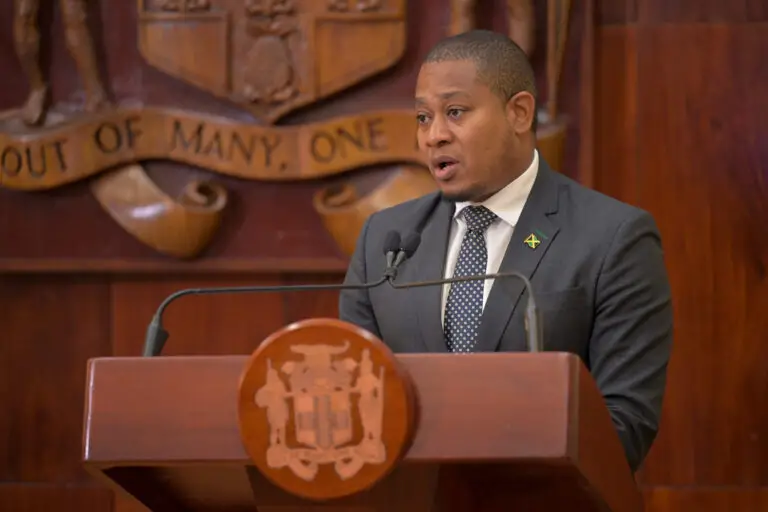
“This workshop is a call to action for the Caribbean to unite, innovate, and act decisively in the fight against vector-borne diseases,” said Dwayne Seymour, Acting Minister for Health of the Cayman Islands.
Participants also explored the latest advancements in diagnostics and data-driven health management. These efforts align with the Global Arbovirus Initiative, a framework designed to strengthen responses to arboviruses with epidemic potential. The initiative brings together global health stakeholders to share resources, improve laboratory networks, and build capacity to address emerging threats.
Highlighting the importance of collaboration, PAHO introduced updates on projects like the Integrated Management Strategy of Arbovirus (IMS-Arbovirus). This approach incorporates advancements in regional laboratory networks and digital health platforms like the Health Information Platform for the Americas (PLISA) to streamline data collection and analysis.
The workshop underscored the need for sustained partnerships among Caribbean nations and international agencies. By pooling resources and expertise, these collaborations aim to reduce the burden of vector-borne diseases and enhance the region’s resilience against future outbreaks.
“This gathering reaffirms the Caribbean’s commitment to protecting public health through unity and innovation,” PAHO stated, reiterating the urgency of collective action.
With vector-borne diseases posing an increasing threat to the region, this workshop is a significant step in fostering a healthier, more resilient Caribbean.