

As the country braces for the next hurricane season, the Jamaican Government has initiated sweeping reforms to its emergency shelter infrastructure, prompted by glaring deficiencies exposed during Hurricane Melissa.
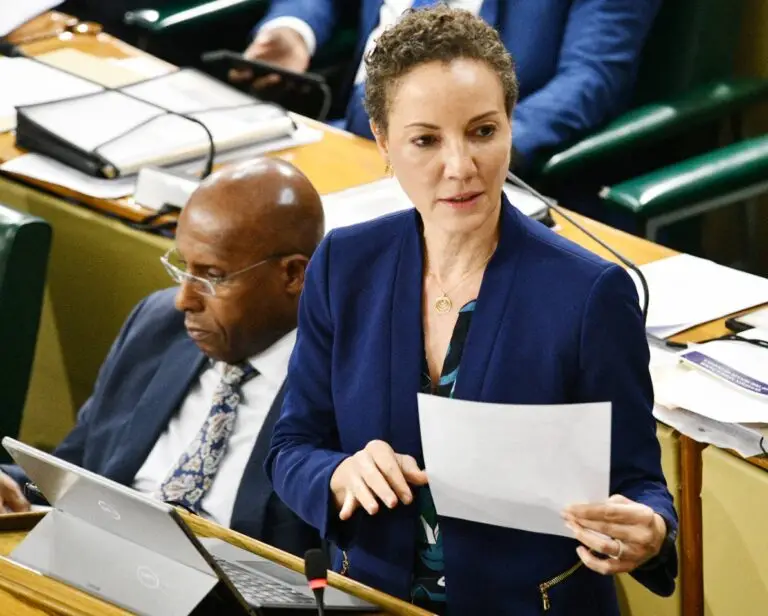
Minister of Local Government and Community Development, Desmond McKenzie, has prioritized a comprehensive audit and overhaul of the national shelter system, following what he described as unacceptable performance from several existing facilities. McKenzie confirmed that he will convene a multi-agency review involving ODPEM, the SDC, and municipal corporations within the coming weeks.
“Too many shelters failed when they were needed most. We won’t go into the next hurricane season with a repeat of last year’s shortcomings,” the Minister stated while inspecting the ongoing development of a temporary infirmary in Trelawny.
Community Centres Under Review
In a strategic pivot, community centres across the island—recently surveyed by the SDC—are now being assessed for conversion into formal shelters. The goal is to retrofit these facilities to meet required emergency standards, reducing reliance on outdated or compromised buildings that underperformed during the Category 5 storm in October 2025.
“We’re actively identifying centres that can be retooled. It’s no longer business as usual. We need shelter spaces that are resilient, accessible, and capable of protecting lives,” McKenzie noted.
Temporary Infrastructure Gains Momentum
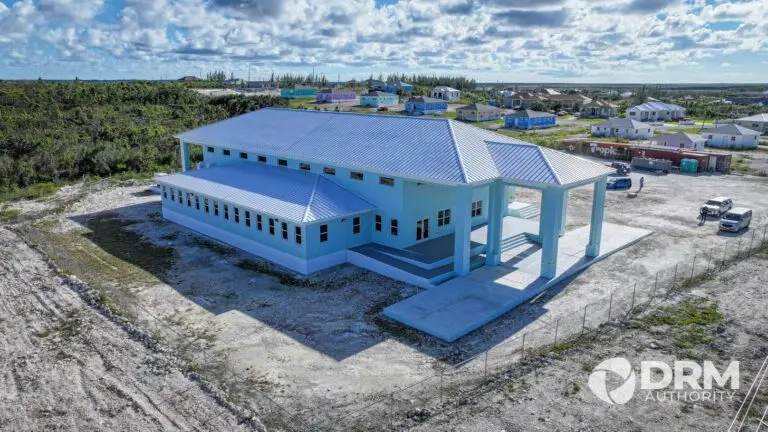
One such example is the Trelawny Infirmary project. The site is now under accelerated development after its residents were displaced last year and temporarily housed at the Elleston Wakeland Centre. The new facility will serve as an interim solution while the Government explores permanent alternatives.
Meanwhile, other shelters activated during Hurricane Melissa have been vacated, with Petersfield High School in Westmoreland being the last to still host evacuees. The Ministry emphasized that these residents remain segregated from student areas to preserve the school’s educational integrity.
Targeted Support for Displaced Families
The Government, in collaboration with Food For the Poor and the Ministry of Economic Growth and Job Creation, is advancing permanent relocation plans for dozens of families still registered at shelters like Petersfield. In the short term, financial aid is being extended to those temporarily resettled with relatives or in rental units—but this assistance will be capped at three months.
“We have a duty to assist, but that duty has limits. Our support will be targeted and time-bound to ensure accountability and progress,” McKenzie affirmed.
A National Recovery Framework
These actions fall under the newly activated Hurricane Melissa Shelter Recovery Programme, a multi-billion-dollar initiative led by the Ministry of Labour and Social Security. This national framework represents a shift from reactive relief to structured recovery—combining reconstruction, relocation, and resilience planning.
In McKenzie’s words, “The Government is no longer just responding—we’re rebuilding, reforming, and reinforcing. Within weeks, the country will begin to witness the tangible results of a more strategic and accountable shelter system.”
With the clock ticking toward the official start of the hurricane season, all eyes will be on whether the Government’s renewed urgency can translate into lasting infrastructure and better outcomes for vulnerable communities.