

Jamaica faces a critical moment in its post–Hurricane Melissa recovery: the challenge is no longer securing funds, but ensuring that money is converted quickly into rebuilding homes, infrastructure, and essential services.
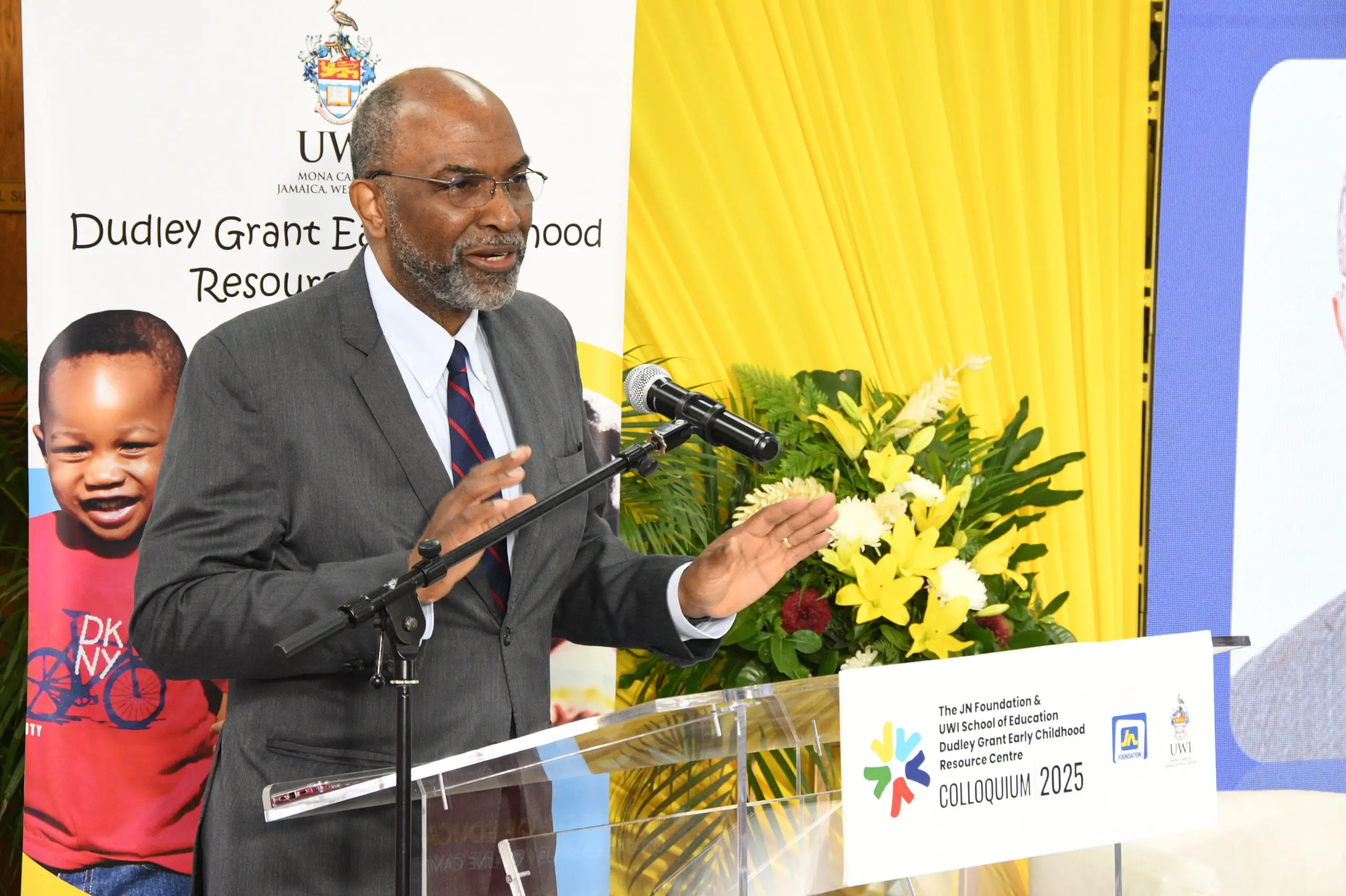
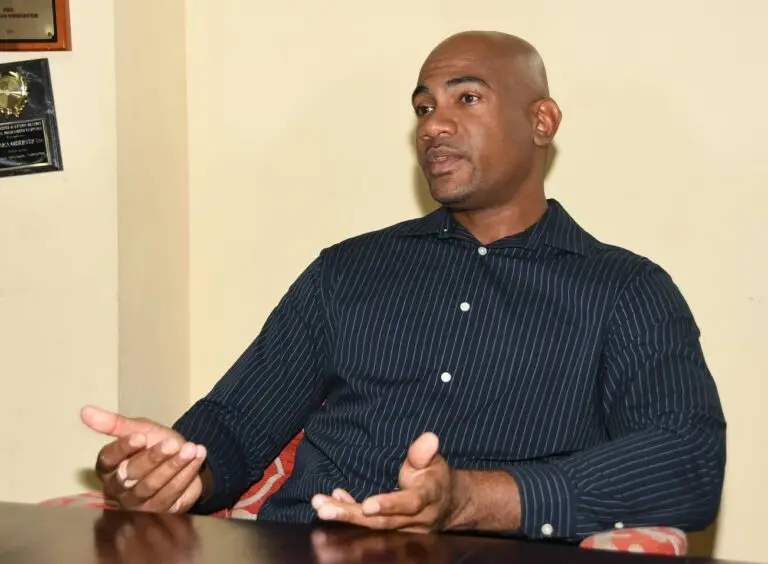
Governor Richard Byles of the Bank of Jamaica (BOJ) highlighted that delays in executing relief and reconstruction programs could slow recovery and drive up prices, despite nearly US$1 billion already mobilized through official channels. Additional resources from insurers and international lenders are expected, but much of the funding remains tied up in planning and procurement processes.
To accelerate rebuilding, the government has established the National Reconstruction and Resilience Authority (NARA), a statutory body tasked with streamlining approvals, procurement, and project coordination. Reporting directly to the Prime Minister, NARA aims to prioritise climate-resilient infrastructure, safer housing, and improved land-use planning. While operational specifics are still being defined, the authority represents a strategic effort to cut through bureaucratic bottlenecks.
The BOJ warns that execution delays carry significant economic risks. Rising demand for construction materials, labour, and transport can push prices higher faster than supply can respond, particularly in Jamaica’s small, import-dependent economy. Signs of this inflationary pressure are already visible, extending beyond food to include home repairs, personal services, and dining costs. These “second-round” effects, if unchecked, could make higher prices the new normal.
The scale of Hurricane Melissa’s damage, recently revised to approximately US$8.8 billion — around 40% of GDP — compounds the risk. The BOJ cautions that inflation may be more persistent and widespread than initially expected, affecting a broad range of goods and services beyond the immediate aftermath of the storm.
In response, the BOJ has kept its policy rate steady at 5.75%, citing the need to manage inflation expectations. Governor Byles emphasized that while interest rates cannot directly fix supply shortages or rebuild infrastructure, maintaining the current stance is crucial to limiting the knock-on effects of rising prices as reconstruction spending intensifies.
As Jamaica moves forward, the focus is clear: turning funds into action efficiently, keeping inflation under control, and ensuring that recovery efforts translate into tangible improvements for the population — particularly for the most vulnerable. Execution, not just financing, is now the test of the country’s resilience.