

Tensions in the Caribbean have reached a new inflection point as Russia issued a stark warning against what it calls the United States’ “escalating hostility” toward Venezuela. The Kremlin, already at odds with the West due to its war in Ukraine, has now turned its attention to U.S. military operations surrounding Venezuela’s sanctioned oil fleet.
Russian Foreign Minister Sergei Lavrov, in a direct call with Venezuelan counterpart Yvan Gil, criticized the recent seizures of oil tankers by U.S. forces and warned that continued confrontations could spiral into a broader geopolitical crisis. Both nations expressed shared concern over what they described as the militarization of maritime routes in the Caribbean and a growing threat to global shipping stability.
According to Moscow, the pair condemned the U.S.’s recent interdictions of vessels it claims are involved in narcotics trafficking — actions that have drawn criticism for lacking transparency and resulting in civilian casualties. Local governments and families of the deceased have disputed the U.S. narrative, stating that many of those killed were unarmed fishermen.
The Russian government labeled the U.S. campaign as “unilateral aggression masked under narcotics enforcement,” and declared its unwavering support for Venezuela, both politically and militarily. Lavrov called the situation “a deliberate provocation disguised as law enforcement,” accusing Washington of eroding international norms under the guise of regional security.
Meanwhile, Venezuelan President Nicolás Maduro’s administration continues to decry the seizure of its vessels as an act of “maritime piracy” aimed at crippling the nation’s oil-dependent economy. Caracas maintains that the blockade, which includes the interception of tankers transporting Venezuelan crude, is part of a larger strategy to destabilize the government and ignite regime change.
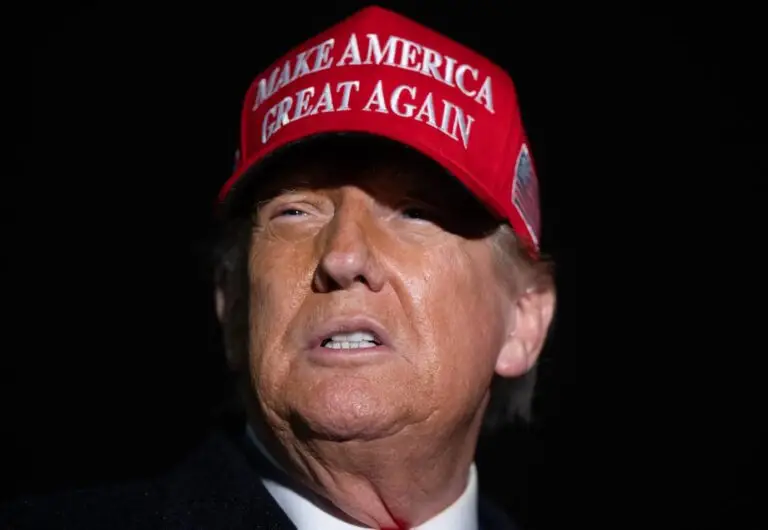
U.S. President Donald Trump recently intensified pressure by formally announcing a blockade targeting all vessels connected to sanctioned Venezuelan energy operations. The administration alleges that oil revenues from Caracas are fueling what it terms “narco-terrorism and transnational crime.” Trump’s remarks went further, accusing the Maduro government of “stealing our oil” — a thinly veiled reference to Venezuela’s nationalization of its petroleum industry.
At the United Nations, the crisis is gaining international attention. Venezuela, backed by Russia and China, has requested an emergency Security Council session to address what it characterizes as U.S. aggression violating the principles of sovereignty and non-intervention. Russia confirmed it would align with Venezuela at the UN and push for a formal resolution condemning Washington’s actions.
The ongoing maritime standoff now carries far-reaching consequences. Regional observers worry the presence of U.S. warships and the open support of global powers could turn the Caribbean into the next flashpoint in a larger Cold War-style standoff.
What began as economic sanctions has now drifted into open confrontation on the seas — a shift that could reshape the balance of power in the Western Hemisphere.