

KINGSTON, Jamaica — As the southern belt of Jamaica grapples with the aftermath of Hurricane Melissa, emergency efforts to stabilize healthcare access are rapidly intensifying. A mobile hospital is now en route to Black River, as the Ministry of Health shifts into a tactical recovery mode to fill the critical void left by the damaged Black River Hospital.
The facility, set for rapid deployment within 24 hours, is expected to be outfitted with core surgical infrastructure, diagnostic capabilities, and an emergency medical team. The installation is being executed in partnership with Samaritan’s Purse, a global disaster relief organization.
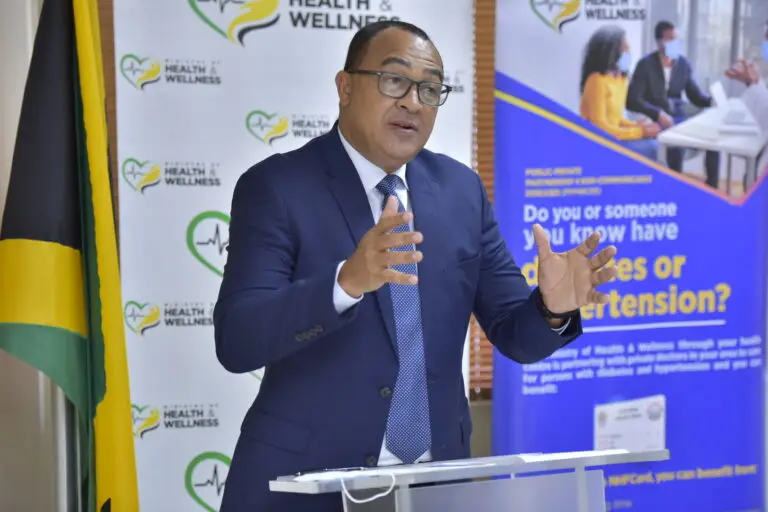
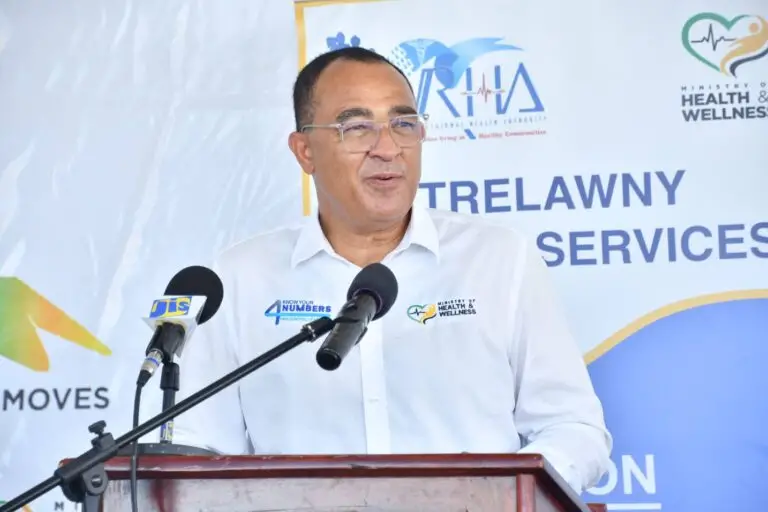
Minister of Health and Wellness Dr. Christopher Tufton confirmed the move during a weekend press briefing, noting the swift collaboration between government entities and the Jamaica Defence Force.
“This temporary field unit will serve as the operational base for St Elizabeth’s healthcare response while a full assessment of the original facility is underway,” Tufton stated. “We expect to stabilize services this week to prevent further health system strain.”
Hurricane Melissa left the Black River Hospital’s core facilities compromised, with the administrative building heavily damaged and utility disruptions still unresolved.
Multi-National Support Expands the Grid
The Black River deployment is part of a broader, multi-location strategy. Additional field hospitals are expected in other severely impacted parishes. One such unit is scheduled to arrive from Spain, while diplomatic talks continue with Canada and India for further medical installations in Trelawny and Westmoreland.
These mobile units are self-contained and designed to deliver full-spectrum care, including surgical operations, inpatient beds, and trauma support. Tufton emphasized that the boost in physical capacity will be matched by an injection of human capital, with health workers rotating into the field units to manage the surge in cases.
“We’re not just dealing with infrastructure loss; many of our frontline workers are mentally and physically exhausted. These units are as much about relief for the system as they are for the people who keep it running,” Tufton added.
Restoration and Mobilization Underway
Damage assessments of permanent hospitals are currently in progress, with phased restoration efforts set to begin shortly. Meanwhile, over 200 healthcare workers will be deployed in a national clean-up operation to assist hospitals in the worst-affected zones.
The Ministry has also reaffirmed plans to restore primary health care services islandwide within the coming week — a necessary step to manage minor ailments and reduce pressure on emergency units.
Blood Appeal Amid Rising Emergencies
The government is also appealing for increased blood donations, as demand continues to surge in the wake of trauma cases linked to the storm. Supplies are reported to be strained, and the public is being urged to give blood as part of the national recovery effort.
The healthcare response is being framed not only as a short-term relief plan but as a strategic bridge to a more resilient system in the face of worsening climate threats. As Minister Tufton put it, “Recovery isn’t just about rebuilding — it’s about rearming the frontline.”