

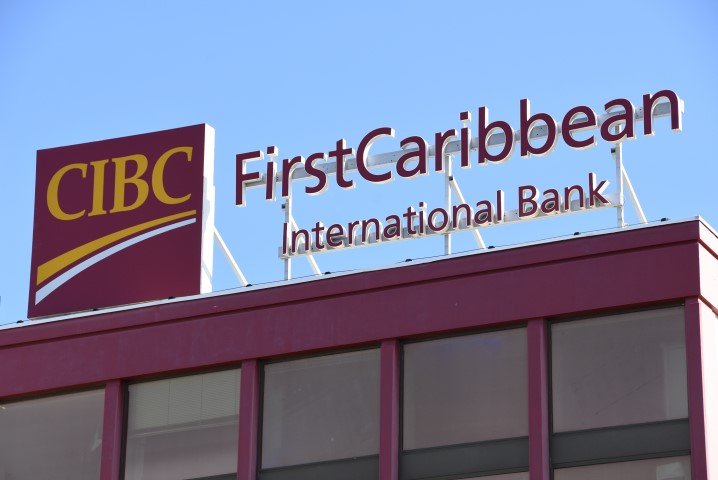

CIBC Caribbean has been officially cleared to enter Jamaica’s fast-emerging PayFac economy, with its rollout expected to begin in January 2026. The move marks a significant expansion of the bank’s merchant services strategy, aligning with global trends where leading financial institutions are partnering with purpose-built facilitators to accelerate merchant activation and consolidate transactional volume across high-frequency sectors.
The initiative will be powered by a partnership with U.S.-based payment giant Fiserv, giving CIBC a full-service backbone to support digital merchant onboarding, transaction routing, and real-time settlements.
Reshaping Merchant Growth in the Region
Jamaica’s PayFac landscape has been quietly expanding over the last 24 months, with several facilitators already managing active merchant networks across sectors such as retail, distribution, and pharmacy. Until now, most operated under the support of local banks or international settlement partners. CIBC’s formal entry changes the calculus.
This move positions the bank to directly support a wave of tech-enabled merchant aggregators, many of which have already built terminal networks, loyalty programmes, and transaction layers outside traditional banking channels.
For CIBC, the decision reflects a clear understanding of where merchant volume is coming from. Rather than rely solely on traditional acquisition models, the bank will now support select facilitators operating at the last mile—giving it access to real-time volume, while retaining oversight on flow, settlement, and treasury.
Industry observers note that this approach allows the bank to scale its footprint quickly without absorbing the full operational burden of merchant deployment and day-to-day support. It also signals a deeper commitment to embedded financial infrastructure—where the bank still governs, but no longer builds every layer itself.
What It Means for the Market
CIBC’s entry is expected to accelerate digital merchant activity in Jamaica, particularly among smaller and mid-sized businesses that have historically been underserved by legacy systems. By enabling facilitators who already have those relationships, the bank effectively positions itself at the center of transactional growth—without chasing individual merchants.
It also places CIBC among the few banks in the region actively structuring their merchant services around platform-first growth—quietly redrawing the lines of who brings volume to whom.
With the green light secured and infrastructure partners in place, CIBC is expected to begin onboarding facilitator networks in Q1 2026. Early targets are said to include sectors with high daily turnover and widespread card usage—areas where facilitators have already established a presence but needed stronger banking support to scale further.
The move will likely not be the last of its kind, as other institutions monitor closely to determine whether the model delivers results without introducing risk.
For now, one thing is clear: the PayFac economy in Jamaica is no longer experimental. It’s operational—and with CIBC’s backing, it just became institutional.