

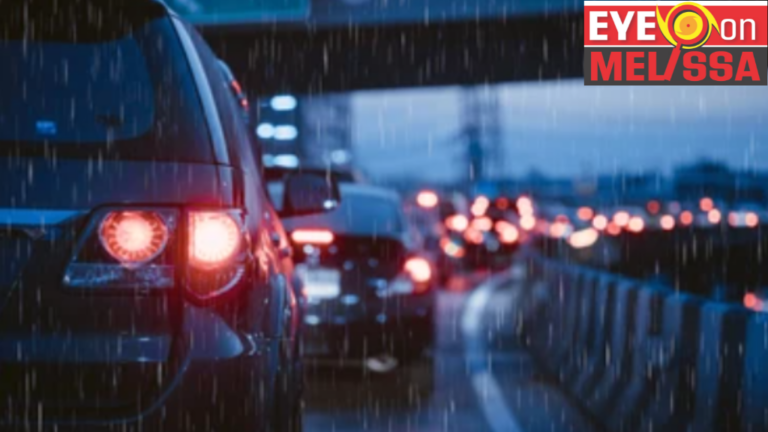

KINGSTON, Jamaica — As dark clouds gather over the island, Jamaican motorists are being urged to prepare for more than just wet roads — they’re being asked to think survival.
Meteorologists have been tracking the trajectory of Tropical Storm Melissa as it continues to barrel toward the island, bringing with it the threat of flash floods, landslides, and widespread disruption to transportation. In response, road safety experts are sounding the alarm for drivers to remain alert, informed, and grounded — literally and figuratively.
Don’t Risk the Drive — Stay Grounded
With several parishes prone to flooding, including sections of the Corporate Area and low-lying communities in St James, Clarendon, and St Thomas, drivers are being told not to test fate. The call is clear: if the road looks risky, don’t take it.
“It’s not just water — it’s what you can’t see beneath it,” one safety expert explained. “Debris, sinkholes, live wires, and washed-out surfaces could be lurking just below what seems like a shallow puddle.”
Hydroplaning: The Invisible Killer
Motorists are reminded that even a light drizzle can turn highways into slip zones. After dry spells, accumulated oils on the road mix with water, making the surface especially slick. Drivers are urged to cut their speeds by at least 30%, avoid abrupt movements, and maintain a wide buffer between themselves and other vehicles.
“Hydroplaning doesn’t give a warning,” the expert added. “You lose control before you even realize it.”
Visibility Is Power — But So Is Caution
Heavy rainfall is expected to reduce visibility significantly, especially during early morning and late evening commutes. The recommendation is to drive with headlights on — not high beams — and to remain alert for pedestrians or stalled vehicles, particularly in poorly lit or rural areas.
Know Your Tech — And When to Turn It Off
In the age of smart vehicles, motorists may assume that technology has them covered. But some features, like cruise control, could actually increase risk during wet conditions. On the other hand, stability systems such as traction control should remain on, as they can help reduce slippage on slick terrain.
“The key is knowing what works for you — and what works against you — when your tires meet water,” one mechanic pointed out.
Pull Over If You Must — Safety Comes First
The consensus among safety authorities is simple: If the weather becomes too overwhelming, pull over and wait it out. There is no shame in pausing. There is, however, danger in pressing on blindly.
Emergency Support on Standby
While agencies like the Jamaica Fire Brigade and parish disaster coordinators ramp up their readiness, roadside assistance services are also bracing for increased calls. One such organization noted its crews would remain on standby “as long as the weather allows us to operate safely.”
Final Word: Don’t Be Heroic — Be Smart
As Jamaicans watch the skies and prepare their homes, the message to drivers is sobering: Storms don’t negotiate. Neither should you. Plan wisely, drive cautiously, and when in doubt — stop.