

In the vast and rugged expanse of Canada — a country often revered for its pristine natural beauty — an unsettling reality is taking hold beneath the treetops, under the waves, and across the open skies: the silent retreat of wildlife.
A Quiet Decline
Over the past 50 years, Canada’s biodiversity has been bleeding out — slowly, quietly, and, for many, invisibly. The latest ecological review paints a stark picture: more than half of Canada’s monitored animal populations are in decline. The numbers cut across species lines — mammals, fish, birds, reptiles, amphibians — all tracing the same downward slope.
This isn’t a random shuffle of winners and losers. It’s a systemic unraveling. One that signals the health of Canada’s ecosystems is no longer simply at risk — it’s deteriorating.
Not Just Numbers, But Warnings
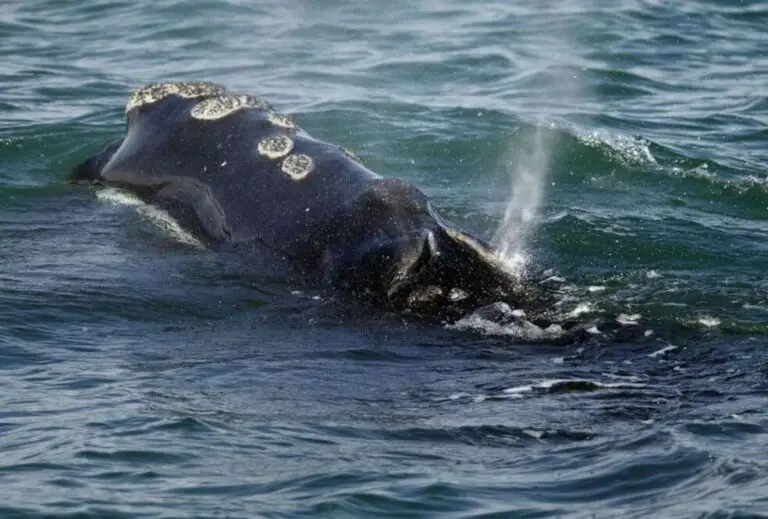
Among the species waving red flags: the snow owl, the North Atlantic right whale, and the leatherback sea turtle. Each represents a fragile thread in the country’s ecological web — threads now fraying.
Particularly disturbing is the 43% drop in populations of species already globally endangered but trying to survive in Canadian habitats. Even areas assumed to be more resilient — like the boreal forests — are no longer immune. Meanwhile, more exposed regions like Canada’s grasslands have suffered even greater biodiversity losses, with some habitat-specific populations collapsing by over 60%.
Industrial Expansion vs. Ecological Integrity
The roots of the crisis are well-known: human encroachment, relentless land development, agricultural expansion, and the pressures of a resource-based economy. Canada’s wealth is tied to the land, but this interdependence has become dangerously one-sided.
The extraction of value continues, while nature’s capacity to replenish — and survive — is ignored or deprioritized. Yet, experts note, balance isn’t just possible — it’s urgent. Even small shifts, like the reduction of shipping noise to aid whale navigation, have shown positive impact. Proof that deliberate interventions can work.
A Race Against Time
Canada is part of the 2022 Global Biodiversity Framework, a commitment that includes protecting 30% of lands and oceans and restoring another 30% of degraded areas by 2030. The clock is ticking — and so far, the pace is off.
If the nation fails to reverse the current trend, the cost will not merely be ecological — it will be economic, cultural, and generational. Biodiversity is not just a natural wonder; it’s a cornerstone of climate stability, food systems, water security, and national identity.
Final Thought
The real tragedy isn’t that species are vanishing. It’s that they’re vanishing without noise, without notice, and without the collective urgency required to act. Canada’s natural world is not infinite. And the silence of the forest is growing louder.