
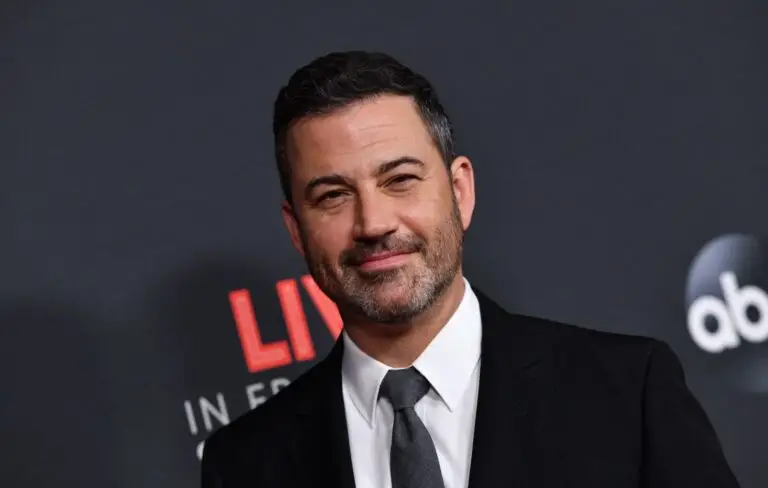

NEW YORK — In a moment that stunned the entertainment industry and chilled free speech advocates, late-night television took a direct hit this week as comedian Jimmy Kimmel was unceremoniously removed from the air — not for ratings, not for contracts, but for speaking.
The flashpoint? A caustic joke targeting conservative figure Charlie Kirk. The fallout? A firestorm of political muscle-flexing that left broadcasters shaken and critics fuming.
In a maneuver rarely seen in American media, Kimmel’s parent network placed him on an “indefinite suspension” — just hours after a top government official reportedly threatened repercussions for stations continuing to air his show. What might have been dismissed as showbiz drama now reads more like a cautionary tale in state-media relations.
From Laugh Tracks to Warning Shots
For decades, late-night television was the nation’s comedic release valve — a safe zone for political satire, cultural ribbing, and societal reflection. But this week, the punchline punched back.
The removal of Kimmel from airwaves wasn’t a quiet, behind-the-scenes contract dispute. It was loud. Public. It involved warnings about licensing. And it came with the unmistakable scent of political coercion.
One former network executive, speaking anonymously, likened it to “sending comedians to the gallows for using the wrong tone.” They added: “This wasn’t about content moderation — it was about intimidation.”
Colbert, Stewart, and the Collapse of Comic Immunity
Stephen Colbert, visibly unsettled, opened his Thursday broadcast with a stark message: “When satire offends power, satire becomes dangerous.” His show, too, is being quietly phased out — a decision CBS labels “financial,” but few in the industry buy that at face value.
Jon Stewart, known for his razor wit, rebranded his set with a deadpan twist: “The all-new government-approved Daily Show,” before rattling off a scathing monologue dripping with irony.
“The lesson here,” Stewart said, “is clear: if you don’t want to lose your job, you’d better be laughing at the right people.”
The Comedy Ice Age Begins
With streaming platforms on the rise and traditional viewership in decline, the late-night genre was already vulnerable. But this incident marks a shift — not of format, but of fear.
Several production insiders now report internal memos urging writers to “refrain from overt political critique,” especially when referencing administration officials. One showrunner lamented: “We’re self-censoring jokes before they even hit the page.”
Even major advertisers — long-time backers of edgy satire — are beginning to express discomfort. One ad agency exec summarized the atmosphere: “The room’s gone cold. There’s no way to laugh in the dark anymore.”
What’s Left When the Lights Go Off?
This isn’t just a late-night issue. It’s a cultural rupture. When comedians, once America’s court jesters, are silenced for skewering the crown, the entire stage goes silent.
And when the networks, once guardians of creative expression, fold under a phone call or a veiled threat — the question becomes: who’s next?
As one satirist quipped in private, “At this rate, knock-knock jokes will require pre-approval from a federal agency.”
The audience may still be watching. But increasingly, they’re wondering: is anyone allowed to speak?