

At the St Andrew Church of Christ, youth ministry is no longer confined to Sunday sermons. The congregation has built an organised mentorship framework designed to shape character, sharpen literacy, and provide guidance for life and career choices.
Launched formally in 2024 under the Education and Upliftment Programme, the initiative builds on what many members had already been doing informally: walking alongside young people, not just preaching at them.
Building Mentors with Intent
Selection of mentors is deliberate. It requires more than church tenure—spiritual integrity, professional experience, and a demonstrated heart to serve are considered non-negotiable. Before being paired with mentees, candidates undergo training led by counsellors Paul and Racquel Blake, equipping them with tools for listening, boundary-setting, and practical guidance.
The programme matches mentors with young people aged 12 to 22, often by interest or existing relationships. Parental consent is required for participants under 18. Confidentiality is emphasised, with exceptions only in cases of potential harm.
A Response to Social Gaps
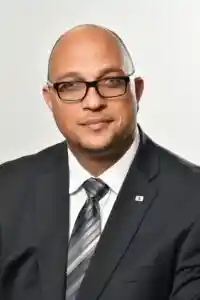
Programme leader David Tennant describes the mentorship drive as a necessary response to Jamaica’s fractured family structures. For him, it is an effort to restore the old wisdom of “the village raising the child.”
“Children need more than a pulpit. They need leadership that walks with them daily,” he says.
Literacy, Listening, and Love
For veteran church member and mother of three, Althea Smith, mentorship begins with literacy. Concerned that too many students leave school unable to read, Smith has made one-on-one coaching a priority. Her method is rooted in respect: listening attentively, never talking down, and giving children the confidence to express themselves.
Her daughter, Tammi Brown, sees the mentorship effect ripple outward: “If we can create transformation here, it can spread into society at large. It starts with attention and exposure—giving each child the chance to believe that better is possible.”
Some parents, once sceptical, are now attending church themselves after witnessing the impact on their children.
Stories of Change
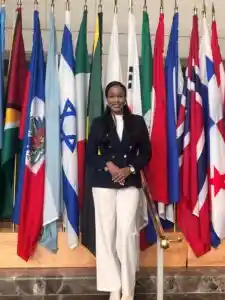
Project manager and mentor Soroya Blake, who grew up in hardship, takes an informal yet intentional approach: being present, sharing her own struggles, and showing young people that their circumstances don’t define their potential. Her mentee recently graduated high school and is pursuing studies in cosmetology—an achievement Blake proudly attributes to persistence and encouragement.
Then there is 11-year-old Shaneilia Wedderburn, who dreams of becoming a soldier and spreading the gospel. She credits her mentor, Smith, with helping her grow in faith and prepare for the Primary Exit Profile exams.
A Culture of Care
What makes this mentorship programme distinct is its layered focus: literacy, career guidance, personal growth, and faith. It functions as both a safety net and a launchpad—ensuring young people are neither overlooked nor underestimated.
For Smith, the formula is simple: “They need love. That’s the most important thing. When you give them that, everything else—confidence, learning, growth—follows.”