
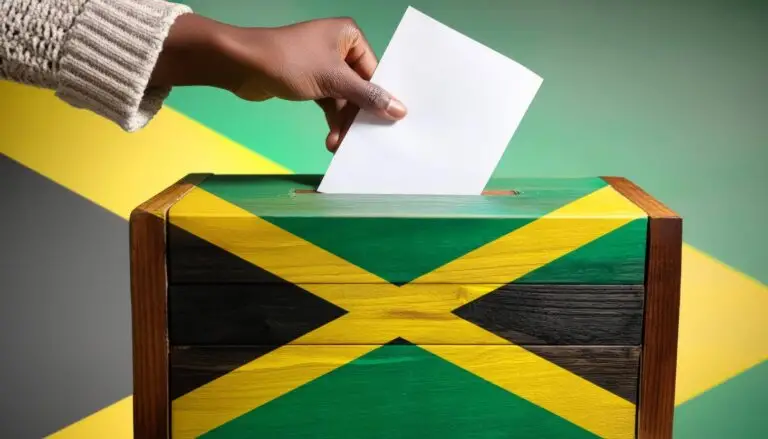

Jamaica’s democracy is not a quiet affair. It is theatre, ritual, and combat wrapped into a single moment — and today, that stage opens once again.
By 2 o’clock this afternoon, the names of nearly two hundred contenders will be locked into history as the official nomination period closes. From household political titans to obscure independents, all will stand side by side in the race toward September 3.
The Contestants
Two great machines dominate the battlefield. The Jamaica Labour Party (JLP) and the People’s National Party (PNP) — locked in a rivalry that spans decades — have signaled their readiness with full slates across all 63 constituencies. In their shadows, the Jamaica Progressive Party (JPP), bolstered by an alliance with the Jamaica First Movement, surges forward with nearly a complete lineup of its own.
And then there are the outliers — independents whose names will not sit beneath a party banner. Among them, the fiery activist known simply as BLACK X. Figures like him inject a raw energy into proceedings, even if their chances of victory remain slim.
The Ritual of Nomination
The morning’s process is deceptively simple: signatures from constituents, a form delivered to the returning officer, and a fee — $15,000 in crisp cash. For local by-elections, the price of entry falls to $3,000. No cheques. No cards. Only paper.
But beneath this technicality lies tradition. For decades, candidates of the main parties have turned the act of payment into symbolism, choosing banknotes that feature their own icons of power. A JLP hopeful often pulls from stacks of $5,000 notes — bearing the visages of past Labour prime ministers — while their PNP counterparts lean more heavily on spectacle, colour, and symbolism.
The Leaders’ March
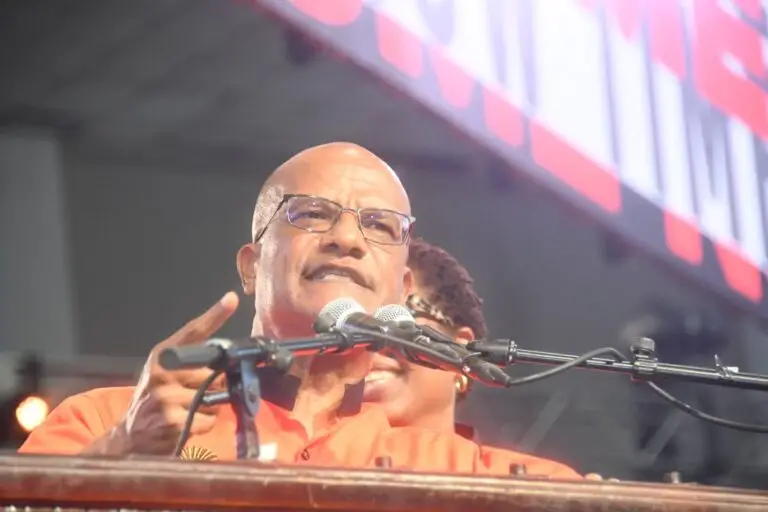
At the heart of today’s pageantry are the leaders themselves. Prime Minister Andrew Holness, defending St Andrew West Central, arrives with the weight of incumbency on his shoulders. Across town, Mark Golding, PNP President, sets out from Lyndhurst Methodist Church to file for St Andrew Southern. Their presence marks more than candidacy — it signals that the coming election is a personal test of their political legacies.