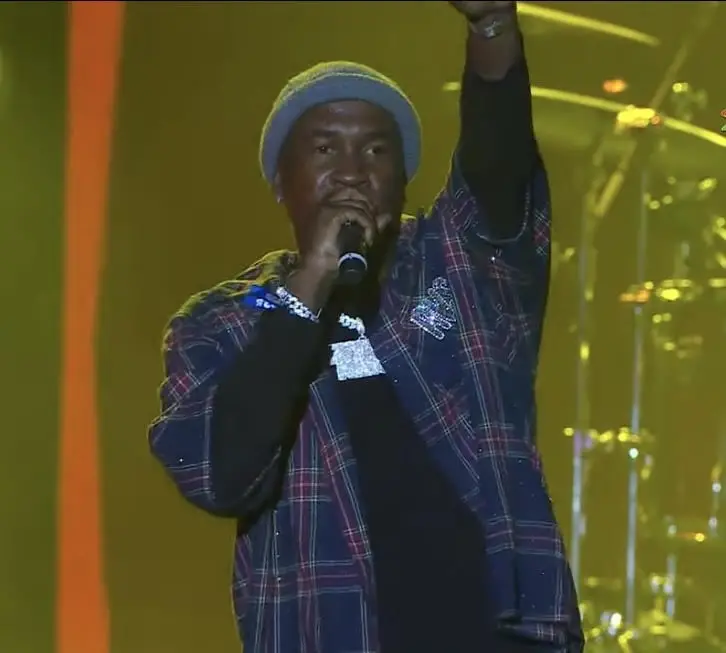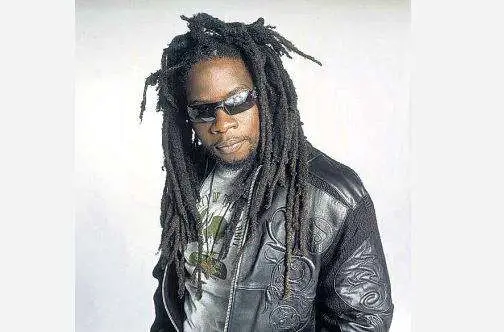


New York’s live-music circuit is humming again—and this time the bassline rides a dancehall riddim. At the center of the comeback is podcaster-turned-promoter Kerry Ann Brown, CEO of KB Music Promotions, who has watched three sold-out spectacles—Bounty Killer, Beenie Man and Vybz Kartel—crack the ceiling on what Jamaican music can draw in America’s toughest market.
“Packing out Barclays didn’t just boost ticket revenues; it reset the conversation,” Brown says. “Investors now see dancehall as arena-grade, not niche nightlife.”
Brown’s credentials stretch beyond her YouTube talk show Let’s Chat Kerry Ann Brown. A decade in radio, the annual Easter Fish Fry showcase at VP Records, and a stint as a CMA Awards presenter have seasoned her instincts for waves worth riding. She’s doubling down: her label, KAB Productions, is grooming a pipeline of new voices, while her branding venture, KBMP Clothing—soon to partner with fashion start-up Karama Kouture—markets the lifestyle that travels with the sound.
Why the surge now? Three factors, Brown argues:
- Pent-up Demand – Major headliners had been missing from U.S. stages for nearly ten years, creating a vacuum only a blockbuster return could fill.
- Diaspora Spend – Caribbean-Americans wield deeper disposable income than industry gatekeepers realized; one viral presale proved it.
- Cultural Cross-Pollination – Gen-Z playlists shuffle effortlessly from Afrobeats to trap to dancehall, normalizing patois on mainstream radio.
The ripple effect is immediate. Venue calendars from Amazura (Queens) to The Compound (Brooklyn) are stacked with reggae-soca hybrids. August’s Reggae Fest Massive already touts Alkaline, Shenseea, Capleton, Elephant Man and Mr. Vegas—acts that, a year ago, struggled to secure 3,000-seat rooms.
Brown views the momentum as both commercial milestone and creative crucible. “The next phase is sustainability,” she notes. “Big names proved the ceiling; my job is to make sure fresh talent keeps fans walking through those turnstiles.”
To that end, her promotions arm is subsidizing showcase slots for emerging singers who lack the capital but own the charisma. Early indicators look promising: streaming upticks in the tri-state area mirror liquor-sales spikes reported by club owners, confirming that dancehall’s resurgence is translating into broader economic lift.
“Reggae defined New York summers for decades,” Brown adds. “Now its louder little brother has crashed the gates—and the city is roaring back.”
If the sold-out marquees are any sign, 2025 isn’t just a good year for dancehall; it’s the start of a New York residency.