


KINGSTON, Jamaica — Somewhere between morning commutes and late-night errands, 223 Jamaicans vanished this year — not in headlines, but on asphalt.
Jamaica’s road network has become a national pressure point, with the Ministry of Transport confirming a staggering death toll before the year’s third quarter ends. The number — 223 fatalities — is not just grim. It’s damning.
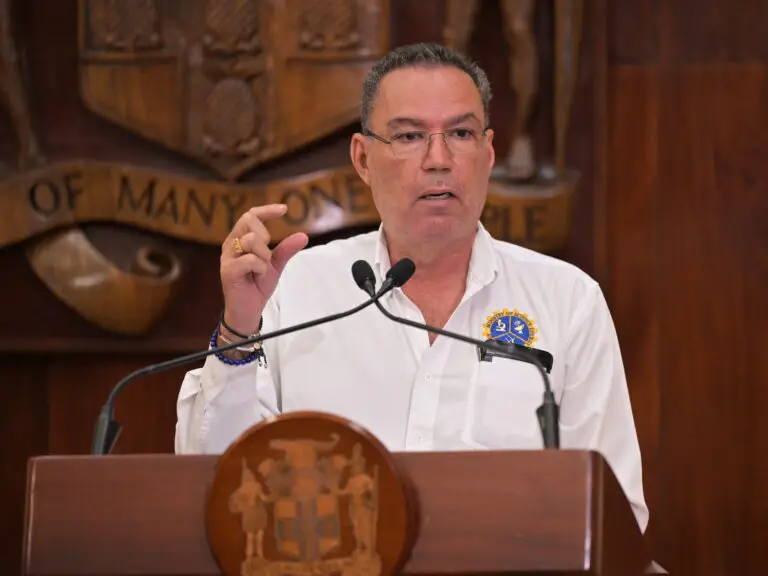
Minister Daryl Vaz isn’t mincing words anymore. While official statements acknowledge “deep sorrow,” behind the podium lies frustration, and behind that — a quiet war with cultural apathy.
“Speeding. No seatbelts. Impaired driving. We know what’s killing our people, and we continue to do it anyway,” a senior official close to the ministry shared off record. “What we have isn’t just a transportation issue. It’s a behavioural epidemic.”
The government has announced intensified cooperation between agencies — more patrols, heavier surveillance, stricter enforcement. But the minister is reportedly more focused on the core problem: the national mindset.
The real deficit isn’t infrastructure — it’s discipline.
In June, Road Safety Month came and went. Appeals were made. Speeches were delivered. Posters printed. Yet the roads remained just as lethal.
Experts point to a troubling pattern: familiarity breeding carelessness. “We treat road laws like suggestions. Helmets like fashion statements. Speed limits like dares,” said one road-safety advocate. “Until a family gets the call.”
Vaz is pushing for public campaigns that move beyond information to provocation — messaging that disrupts, disturbs, and reframes recklessness as betrayal: betrayal of loved ones, of society, of self.
“Until we personalize this, we’ll keep burying potential,” he said in a recent closed-door meeting. “We’ll keep losing doctors, carpenters, students, fathers.”
The Transport Ministry is expected to roll out a new slate of intervention campaigns this quarter — with a sharper tone and targeted reach in high-risk corridors.
For now, the carnage continues. The island’s roads are more than arteries for commerce and travel. They are now a mirror. And what we see in them — or choose to ignore — may be the most dangerous thing of all.