


The United States and China have dialed back the heat on their trade war, agreeing to slash import duties for three months. Washington will drop its levy on most Chinese goods from a punishing 145 percent to 30 percent, while Beijing will make a matching cut on American products. The Verge
For fast‑fashion powerhouses Shein and Temu, the reprieve is a gift‑wrapped chance to refill U.S. fulfillment centers that have been running lean since early May, when the White House killed the de minimis rule that once let packages under US $800 sail through customs tax‑free. Reuters
The end of that exemption meant almost every poly‑mailer from Guangzhou suddenly faced a 145 percent surcharge, throttling the cheap‑parcel model that built both brands. Marketing budgets swung toward Europe, and U.S. ads all but disappeared.
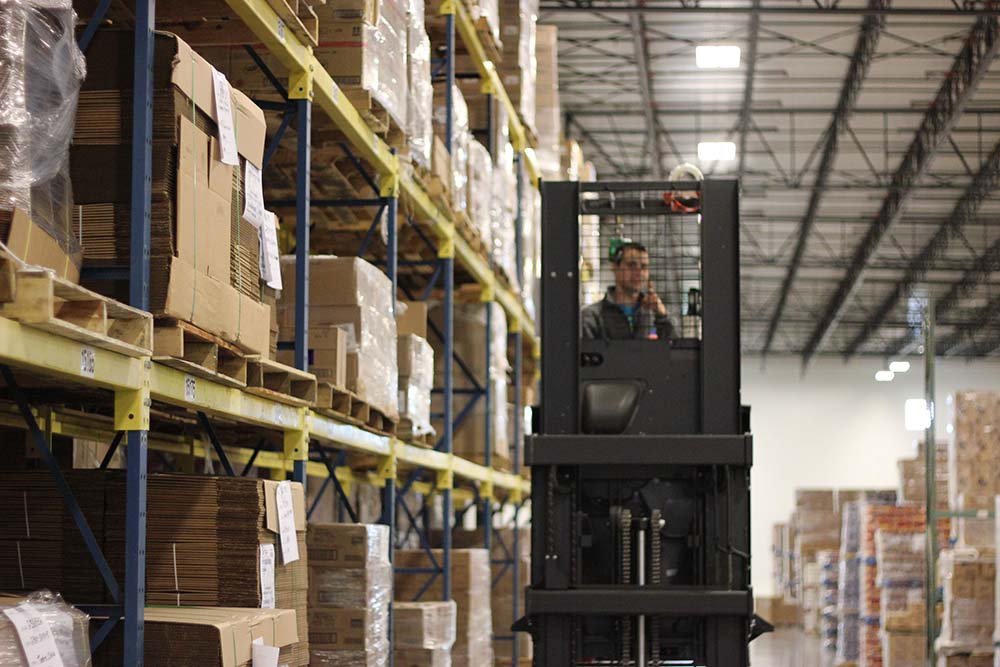
Now, with a 90‑day tariff holiday in hand, logistics teams at both firms are expected to pivot from costly air shipments to container‑load sea freight—packing as much inventory as possible into American warehouses before duties rise again. “They’ll load up every box they can,” said Yao Jin, a supply‑chain scholar at Miami University in Ohio. Reuters
Crucially, the temporary deal does not reinstate de minimis. Once the clock runs out, any unsold items that have to be restocked will once again face full tariffs unless negotiators lock in something more permanent. That uncertainty is already rippling across the broader e‑commerce sector, including Amazon, which launched “Haul” to mimic the ultra‑low‑cost playbook of its Chinese rivals.
Industry analysts warn that the surge of inbound containers could squeeze port capacity on the West Coast through mid‑summer. Retailers that rely on Far‑East suppliers may see freight rates firm up, even as duties fall.
Whether this thaw turns into lasting détente or simply a 90‑day sprint depends on talks still under way in Geneva. For now, Shein and Temu have a narrow window—and they appear ready to flood it.