
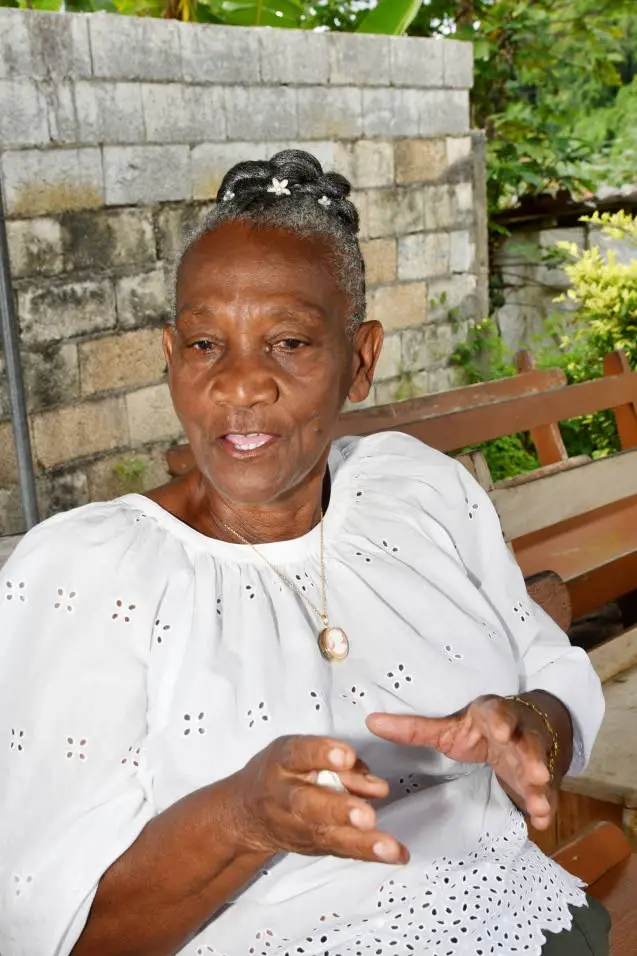

When the first cries of a newborn echo through the hills of Thompson Town, odds are 77‑year‑old midwife Lauretta Bailey is nearby, smiling with quiet satisfaction. Since 1976 she has guided more than a thousand babies into the world—sometimes by the light of a kerosene lamp, other times in a neighbour’s front room, and occasionally after racing to a homestead on the back of a mule.
Raised in St Ann with dreams of starched white nursing uniforms, Bailey’s ambitions seemed out of reach when she became a mother at 16. Undeterred, she finished her O‑Levels, qualified in midwifery, and accepted a posting to water‑scarce Thompson Town—despite vowing at first that she wouldn’t stay a day. Nearly fifty years on, the settlement reveres her so deeply that locals renamed the crossroads outside her house “Nurse Corner.”
Unable to rely on an under‑resourced clinic, Bailey converted a room in her modest home into a delivery suite. Women in labour often barely made it past the veranda before she helped them safely bring new life forth on a waiting lounge chair. In the worst of Jamaica’s 1980s shortages, grateful farm workers returned from the United States with boxes of scarce soap to thank her.
Bailey measures success not in dollars—she once declined a lucrative overseas offer in England—but in the sight of “her babies” now grown: teachers, farmers, police officers, and nurses who still greet her with a hug. Former patients describe her as counsellor, neighbour, and lifeline; colleagues call her irreplaceable.
On May 31, Thompson Town High School will host a long‑overdue tribute to the woman who never clocked in or out. Bailey accepts the attention with characteristic modesty. “The community gave me a family large enough to fill a parish,” she says. “Being allowed to serve them—that’s payment enough.”