

A new initiative is quietly reshaping how community organisations across the island approach money — not through slogans or handouts, but through sharp, skills-based training designed to confront long-standing weaknesses in financial management.
From Clarendon to St James, local organisers are participating in an ambitious financial literacy training series aimed at correcting what development experts say is a critical blind spot in Jamaica’s community sector: a lack of financial planning capacity.
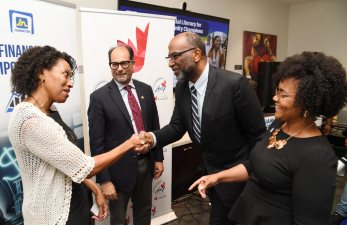
The four-day training, spearheaded by the JN Foundation with support from the Caribbean Development Bank and Canada’s LEAF programme, focused not on theory — but on practical, repeatable systems. Budgeting. Proposal structuring. Risk analysis. The kinds of foundational skills that often determine whether a grant gets approved or a project falls flat.
“You don’t realise how much you don’t know until you’re in a room like that,” said Cassandra McLean, a Bull Bay-based community organiser. “We’ve been sending out proposals for years, but now we understand why some never made it past review.”
For many organisations, the workshops provided a rare opportunity to scrutinise their own internal practices. Sessions included group diagnostics on how funds are tracked, how results are measured, and how projects can build financial independence over time.
“The goal wasn’t to train participants to depend on donor cycles,” said Claudine Allen, General Manager at JN Foundation. “It’s to equip them to operate like proper institutions — able to forecast, sustain and scale.”
Data backs the urgency. A Bank of Jamaica survey in 2022 revealed that only 33% of Jamaicans displayed a basic understanding of key financial principles. Meanwhile, a more recent regional assessment by the CDB found that many NGOs still struggle to pass financial audits — putting future funding at risk.
But the workshops also struck a human chord. Attendees described the atmosphere as collaborative and empowering — a shift from past training environments that felt top-down or out of touch.
“What stood out was the tone,” said Mario Galbert from Portmore. “They didn’t speak down to us. They built with us.”
LEAF programme manager Stepphanie Coy said this approach was intentional. “We’re not just here to check boxes. Strong communities need strong systems — and systems require skill.”
As plans emerge to expand the training across other parishes later this year, organisers say the long-term vision is clear: help Jamaica’s community builders become not just agents of change — but stewards of sustainability.