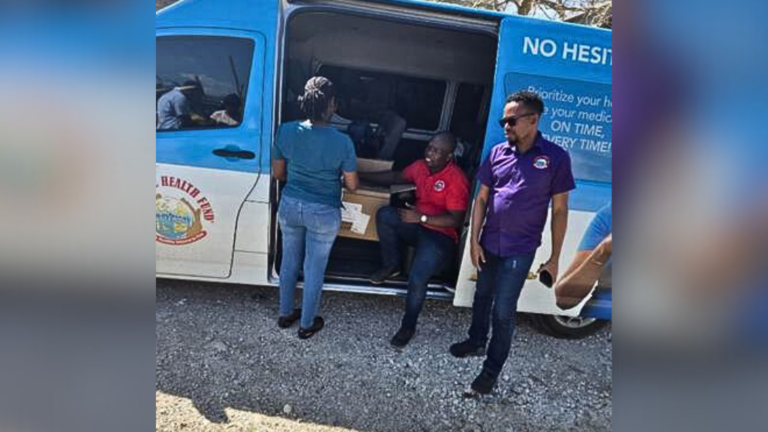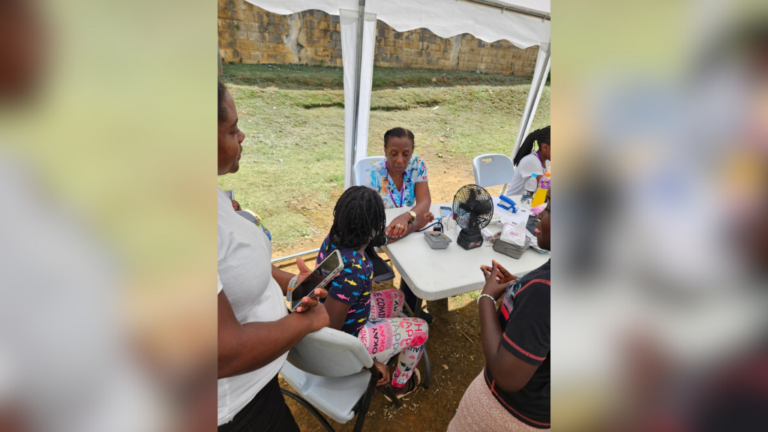



Cancer begins when abnormal cells refuse to stop multiplying; once they breach surrounding tissue and seed new tumours elsewhere, the disease becomes lethal.World Health Organization (WHO) In 2022 the world recorded 20 million new cases and 9.7 million deaths—roughly one life in twelve lost to the disease.World Health Organization (WHO) Jamaica felt that weight too: 7,500 new diagnoses and 4,632 cancer-related deaths were logged the same year, with prostate, breast and colorectal cancers leading the toll.Jamaica Gleaner
Chemotherapy’s Hidden Opponent: Deconditioning
The drug regimens that save lives also sap them of strength. By attacking every fast-growing cell—healthy ones included—chemotherapy triggers “chemo fatigue”: profound tiredness, muscle loss, mood swings and a heightened risk of falls. Days in bed quickly spiral into cardiovascular decline and weaker immunity.
Movement as Medicine
Robust studies now classify structured physical activity as an essential adjunct therapy, capable of:
- Cutting fatigue by up to 40 % after 12 weeks of supervised movement
- Rebuilding functional strength and balance, lowering fall risk
- Improving mood through endorphin release and social interaction
- Speeding return to work and daily life, easing the financial hit on families
A Practical Starter Plan
Every programme must begin with clearance from the treating oncologist, but the broad blueprint is simple:
| Phase | Goal | Sample Activities | Weekly Target* |
|---|---|---|---|
| Recovery (Weeks 1–4) | Re-awaken circulation | Five-minute walks, gentle stretches | 75 min |
| Build (Weeks 5–8) | Restore endurance | Brisk walking, stationary cycling, pool sessions | 150 min |
| Strengthen (Weeks 9–12) | Regain muscle power | Body-weight squats, wall push-ups, resistance-band rows | 2× full-body sessions |
*Aligns with WHO’s minimum of 150 minutes moderate-intensity aerobic activity plus two strength days per week.
Key coaching cues:
- Start slow, scale steady. Increase either time or intensity—never both in the same week.
- Pair movement with breath. Exhaling on effort stabilises core and calms anxiety.
- Track how you feel. A simple “0–10” fatigue score keeps sessions within safe bounds.
- Rest is programmed, not accidental. Plan at least one full rest day weekly.
Mental Renewal
Exercise is more than physiology; it renegotiates identity. Patients who meet movement goals report sharper concentration, renewed self-belief and a sense of control often stripped away by diagnosis. For many, the walking path becomes a negotiating table where fear is traded for agency.
The Call for a National Exercise-Oncology Network
Jamaica’s oncology centres are stretched; rehabilitation slots are rare. A low-cost solution is to train community fitness instructors and physiotherapists in cancer-specific protocols, then link them via a referral app to hospitals and general practitioners. Funding pilot hubs in each health region would cost far less than prolonged hospital stays and could halve fatigue-related readmissions.
Cancer no longer has to dictate how a Jamaican patient moves—or whether they move at all. Prescribed exercise is a therapy we can deploy today, with shoes and determination as the only requisites. Let’s put movement on every treatment chart and watch strength return, one deliberate step at a time.