

As the Caribbean sun casts long shadows over Kingston’s skyline, a quieter, more ominous storm brews—one not of nature, but of geopolitics. Jamaica, ever the strategic outpost in a sea of shifting allegiances, now finds itself treading a precarious tightrope in an era defined by resurging great power rivalries and the reawakening of Cold War echoes.
At the heart of this new global contest lies the Panama Canal—a lifeline of global commerce whose symbolic and strategic weight has only grown as tensions escalate between East and West. As China expands its influence throughout Latin America and the Caribbean through infrastructure projects and trade deals, the United States appears poised for a drastic recalibration of its own regional presence. The pressure is mounting, and Jamaica’s positioning along vital maritime corridors places it squarely within this geopolitical crossfire.
Amid these swirling currents, the actions and alliances of Jamaica’s two main political factions—the Jamaica Labour Party (JLP) and the People’s National Party (PNP)—are coming under intense scrutiny. While both parties posture for electoral dominance, they cannot ignore the shifting global tectonics reshaping their foreign policy options.
US foreign policy under former President Donald Trump—and likely to persist if he regains power—has taken a markedly hardline stance, increasingly favoring military solutions and coercive diplomacy. This aggressive pivot reverberates across the Caribbean, rekindling fears of neocolonial entanglement. For small island nations like Jamaica, whose post-independence foreign policy has often emphasized non-alignment and regional solidarity, the choices are no longer clear-cut.
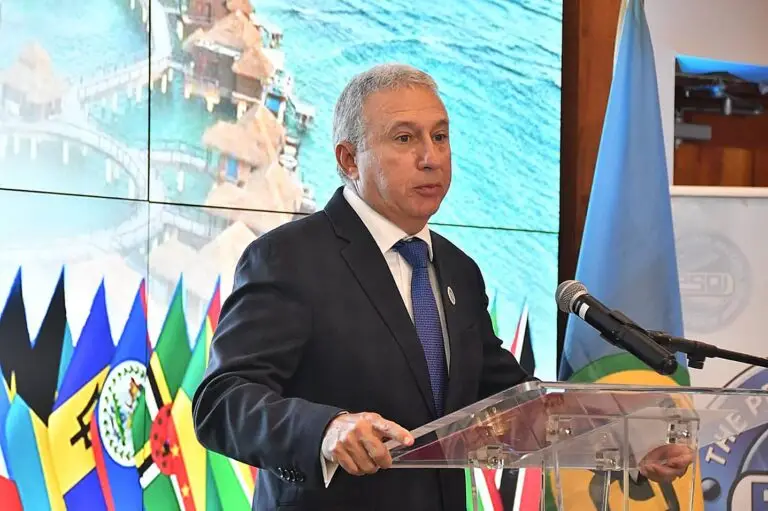
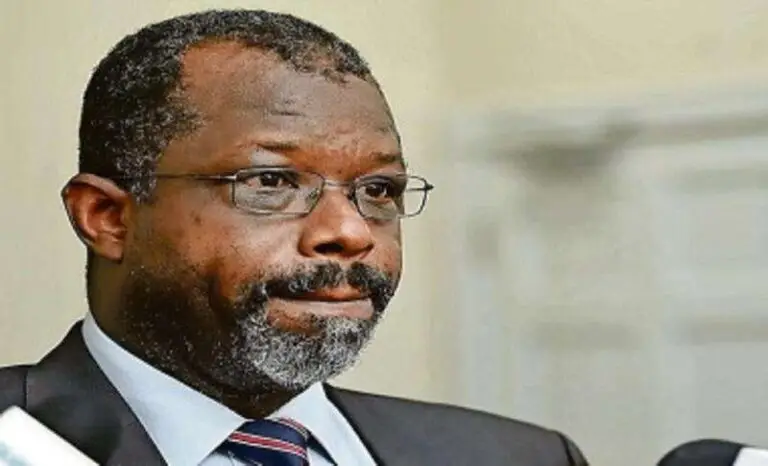
Recent developments, including the abrupt diplomatic reshuffle that placed retired Major General Antony Anderson as Jamaica’s ambassador to the United States, have added fuel to speculation. Critics argue that this move signals a quiet militarization of diplomacy and raises red flags about the government’s foreign policy independence. Anderson’s appointment follows the surprising resignation of Audrey Marks, whose elevation to the Jamaican Senate suggests a deeper, possibly orchestrated political realignment.
The change in diplomatic leadership comes amid increasing collaboration between Jamaica and US security forces—particularly regarding regional stability initiatives in Haiti. Officially framed as humanitarian and law enforcement support, these missions raise legitimate concerns over sovereignty, especially in light of historical interventions orchestrated under similar pretexts.
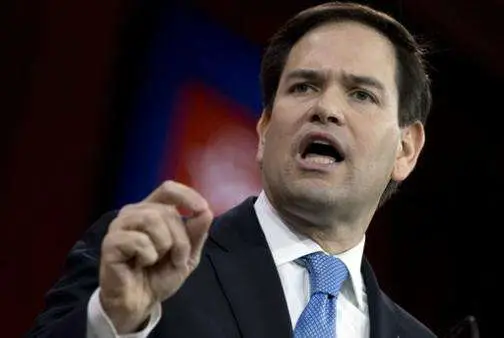
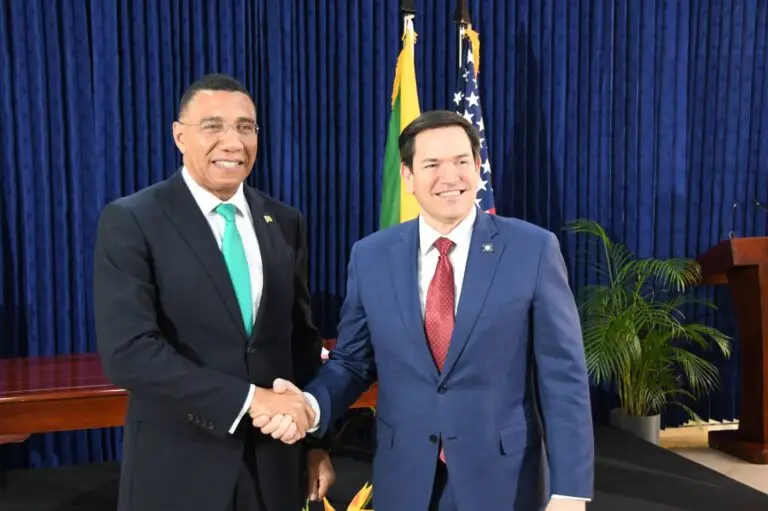
What’s more, Secretary of State Marco Rubio’s recent visit to the island has left behind a lingering sense of unease. While couched in the usual rhetoric of mutual partnership, the visit was quickly followed by inflammatory American allegations against Cuba’s medical diplomacy in the region. Jamaica, long a recipient of Cuban medical assistance, has found itself caught between standing by a proven ally and appeasing a powerful neighbor prone to geopolitical ultimatums.
This is not unfamiliar terrain. The 1970s saw Prime Minister Michael Manley wrestling with similar dilemmas as Jamaica sought to maintain autonomy amid pressure from both the Soviet bloc and the West. More haunting still is the precedent set by Prime Minister Edward Seaga’s controversial role in facilitating the 1983 US-led invasion of Grenada—a cautionary tale that underscores the costs of serving as a proxy for foreign ambitions.
Today, the stakes are no less existential. As Jamaica inches closer to its next general election, the electorate must grapple with questions that reach far beyond domestic bread-and-butter issues. How should the country position itself in a world inching toward bipolar confrontation? What principles will guide its external engagements in this new age of power politics?
Jamaica’s leadership faces a defining test: will it steer the island toward an assertive and principled foreign policy, grounded in Caribbean unity and multilateral respect? Or will it allow external pressures and electoral vulnerabilities to tether the nation’s destiny to agendas that neither serve its people nor honor its history?
The region is watching—and waiting.