

The Cost of Being a Woman
For millions of Jamaican women, menstruation is a monthly reality—yet the cost of managing it remains an overlooked economic burden. While the government removed the General Consumption Tax (GCT) on sanitary pads and tampons in 2012, import duties and other levies continue to inflate prices, making these essential items inaccessible for many.
With period poverty on the rise, advocates and industry leaders are renewing calls for the complete removal of import duties on menstrual products, arguing that no woman should be taxed for a biological function.
A Financial Burden on Women
Despite being classified as necessities, sanitary napkins and tampons in Jamaica still attract an import duty of approximately 20%, keeping prices high. This tax adds to the already significant expenses faced by women, especially those in low-income households.
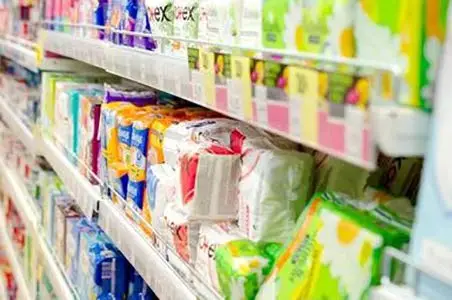
Currently, the price of sanitary products ranges between JMD $300 and $2,000 per pack, translating to JMD $3,600–$24,000 annually for one person. The cost is even higher for families with multiple menstruating members, forcing some to resort to unsafe or unhygienic alternatives.
Dr. Chris-Ann Simpson-Harley, founder of Woman’s Touch, a local brand of menstrual and feminine care products, believes that removing import duties is a crucial step toward affordability.
“Menstrual products are not a luxury—they are a necessity. Women don’t choose to have periods, and taxing them on essential products is unfair,” she stated. “If we don’t manufacture them locally, why are we adding unnecessary import fees? Removing these taxes would make a big difference in pricing and ensure that all women have access to the products they need.”
The Global Shift Toward Tax-Free Menstrual Products
Jamaica is not alone in this debate. Around the world, countries are recognizing that taxing menstrual products disproportionately affects women.
- Scotland became the first country to make period products free for all in 2020.
- India, Canada, Colombia, and South Africa have completely eliminated taxes on these items.
- In Kenya, the government has gone a step further by providing free sanitary pads in schools to prevent girls from missing class due to lack of access.
Jamaica now faces a choice: continue taxing women for an unavoidable biological function or follow the global trend of eliminating these outdated policies.
A Political and Social Responsibility
While menstrual products remain taxed under Jamaica’s import system, politicians and activists are urging the government to take action.
Finance spokesperson Julian Robinson has acknowledged the need for change, stating:
“The removal of import duties is justified. However, the government must ensure that the savings are passed down to consumers and not simply absorbed by retailers and wholesalers.”
Similarly, long-time advocate Lisa Hanna has been vocal about the need to lift the financial burden on women, even proposing a tax increase on Viagra to compensate for lost revenue.
“Why are we taxing an essential item for women but subsidizing non-essential products for men? The government should either remove these duties or ensure that the revenue is used to fund free menstrual products for schoolgirls.”
Activist Shelly-Ann Weeks, founder of Her Flow Foundation, has spent years championing the issue, highlighting that period poverty affects thousands of Jamaican girls every month.
“We see it every day—girls missing school, women struggling to afford basic hygiene. Removing these taxes would be a game changer, but we also need guarantees that prices will actually go down,” she stressed.
Beyond Tax Cuts: A Call for Free Menstrual Products
Removing import duties is just one piece of the puzzle. Many advocates are pushing for a state-funded program to provide free sanitary products in schools, women’s shelters, and healthcare facilities.
Countries like Scotland and New Zealand have already implemented free period product programs, ensuring that no one has to miss out on education or work due to lack of access.
“We don’t tax toilet paper, yet menstrual products remain taxed,” Weeks pointed out. “It’s time we treat period care as a fundamental right, not a privilege.”
The Road Ahead
As the conversation around menstrual equity continues to grow, the pressure is mounting on Jamaican policymakers to take action. Whether through tax exemptions, price regulations, or free distribution initiatives, one thing is clear: the cost of menstruation should no longer be a financial burden.
It’s not just an economic issue—it’s a human rights issue.