

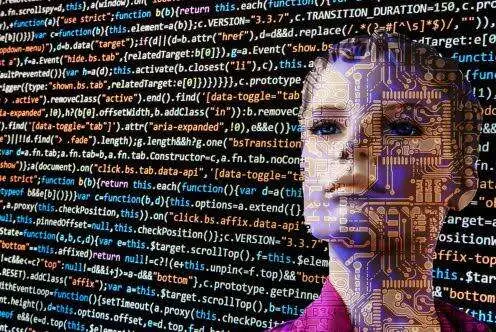

SHANGHAI, China – In a chilling reminder of how technology is reshaping deception, a man in Shanghai was swindled out of nearly US$28,000 after falling for a romantic partner who never existed—an AI-generated woman meticulously designed to manipulate him.
Chinese authorities revealed that a network of scammers used artificial intelligence to create a lifelike digital persona named “Ms. Jiao.” With AI-generated photos, videos, and even fabricated identity documents, the fraudsters lured the victim, identified as Mr. Liu, into a long-distance relationship that was nothing more than an elaborate illusion.
AI-Driven Deception: The Perfect Scam?
The operation was highly sophisticated. Scammers didn’t just send static images; they deployed AI-powered deepfake videos and text conversations that mimicked human emotion and engagement, ensuring Liu remained convinced that “Ms. Jiao” was real. To make the deception airtight, they even produced medical reports and business documents, weaving a compelling story of financial distress.
Over time, Liu was emotionally manipulated into sending a total of 200,000 yuan (approximately US$28,000) to his so-called girlfriend, believing he was helping her launch a business and cover a relative’s medical expenses. Not once did they meet in person, yet the digital illusion was so convincing that he never suspected foul play—until it was too late.
The Rise of AI-Powered Scams
Authorities warn that AI-generated scams are on the rise globally, as fraudsters harness advanced technology to craft hyper-realistic digital personas. These scams are no longer limited to text-based catfishing—AI can now create convincing voice messages, deepfake videos, and even real-time video calls with artificially generated faces.
Earlier this month, social media giant Meta issued a warning about AI-enhanced romance scams, cautioning users against strangers who quickly establish emotional connections and ask for money.
As artificial intelligence continues to evolve, so do the risks of deception. The Shanghai case serves as a stark warning: in the digital age, seeing is no longer believing.