

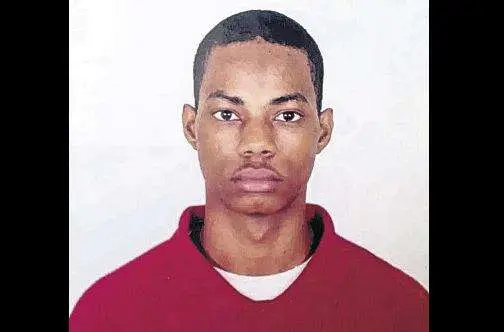

WESTMORELAND, Jamaica – Nearly a decade after his tragic death, the long-awaited trial for Mario Deane’s murder is set to begin, marking a significant development in one of Jamaica’s most controversial cases of police misconduct.
Deane, who was 31 years old at the time, suffered a brutal beating while in police custody on August 3, 2014, after being arrested for possession of a single ganja spliff. He sustained severe brain injuries and succumbed to his wounds three days later at Cornwall Regional Hospital in St James.
For years, the case has faced repeated delays, primarily due to the challenge of securing a jury in St James. However, with the trial now relocated to the Westmoreland Circuit Court, the legal proceedings appear to be gaining momentum. On Monday, when the case was called up, it was revealed that 60 potential jurors had been summoned—far more than in previous attempts in St James.
“This is a step in the right direction,” said defense attorney Dalton Reid, acknowledging the logistical difficulties that have plagued the case.
The trial, now set for March 3, will be preceded by a case management hearing this Friday. At the heart of the proceedings are three police officers—Corporal Elaine Stewart, Constables Juliana Clevon, and Marlon Grant—who face charges of manslaughter, perverting the course of justice, and misconduct in public office.
According to allegations, the officers were on duty at the time of Deane’s attack. Corporal Stewart is further accused of instructing that the holding cell be cleaned before investigators from the Independent Commission of Investigations (INDECOM) arrived at the scene, potentially tampering with crucial evidence.
The case has been a focal point for human rights activists, sparking national discussions on police brutality, detainee treatment, and the slow pace of justice in Jamaica’s legal system. The trial’s progression in the Hilary session of the Westmoreland Circuit Court, which runs from February 17 to March 14, signals a long-overdue step towards accountability.
As the court date looms, the public awaits the outcome of a case that has come to symbolize much more than one man’s tragic fate—it is a test of the justice system’s ability to hold