
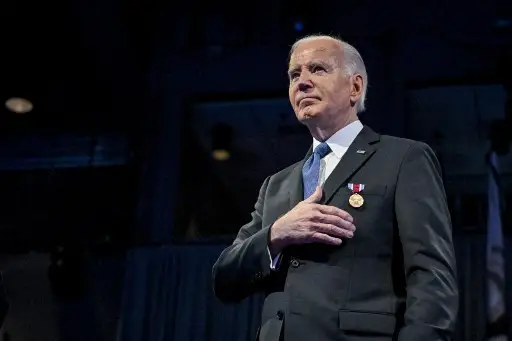

In an unprecedented act of justice reform, President Joe Biden took a monumental step on Friday by commuting the sentences of nearly 2,500 individuals convicted of non-violent drug-related offenses. This decision has been hailed as the largest single-day clemency act in U.S. history.
Biden’s administration emphasized that these individuals had been serving sentences that were unjustly severe, given the modern understanding of drug offenses and sentencing practices. The president explained that this action was crucial for addressing long-standing inequities in the criminal justice system, correcting unjust sentencing disparities, and offering these individuals a chance to reunite with their families.
“This is not just a step toward rehabilitation, but an important move toward healing,” Biden said in his statement. “It reflects our ongoing commitment to fairness and the recognition that justice must evolve with the times.”
The commutation of sentences is part of a broader strategy by Biden to ensure that those who have been disproportionately affected by outdated laws are given an opportunity to rebuild their lives. Biden also noted that his administration has already issued more individual pardons and commutations than any other president, a testament to his administration’s focus on criminal justice reform.
The president also mentioned the possibility of further clemency actions before he passes the torch to President-elect Donald Trump. However, Biden’s decisions have been met with mixed reactions, with some praising the move as a critical moment in U.S. history, while others remain skeptical about its long-term impact.
In related news, Biden granted pardons to 39 individuals in December, including his son Hunter, who had been facing charges related to gun and tax crimes. As the nation looks toward future reforms, Biden’s decisions signal a shift in the administration’s approach to justice, with an emphasis on rehabilitation over punishment.
In a more controversial move, Biden also commuted the death sentences of 37 inmates on federal death row in December. However, three high-profile individuals, including one of the Boston Marathon bombers, a mass shooter, and a white supremacist responsible for a church massacre, were excluded from this decision.
The Biden administration’s clemency actions contrast sharply with former President Donald Trump’s stance on capital punishment, which included plans to resume federal executions. This evolving dialogue surrounding clemency, justice reform, and the death penalty continues to shape the political landscape as the country moves forward.