
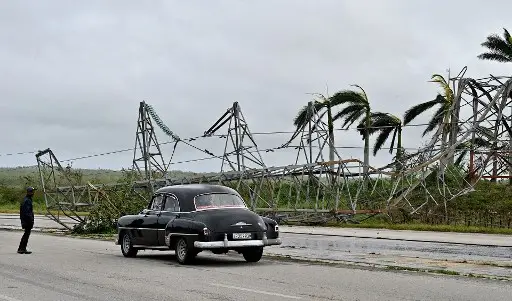

Following the devastating effects of Hurricane Rafael, Cuba faces ongoing power outages that have left millions struggling to regain normalcy. The storm, which struck the island earlier this week, intensified existing energy crises and further strained the country’s already fragile infrastructure.
By Friday, electricity had been restored to the majority of the island, but Havana, Cuba’s most populous city, was still reeling. With nearly 2 million residents, only a fraction of the capital, roughly 17%, had access to power. Authorities are actively working to reconnect the remaining areas, but significant damage to power lines and other infrastructure remains a challenge.
Rafael, a Category 3 hurricane, caused widespread devastation as it tore through the country, stripping homes of roofs and disrupting essential services. Among the most notable damage was to the infrastructure surrounding local sports venues, including a baseball stadium that had its bleachers ripped off by the storm’s fierce winds.
This hurricane follows a period of intense energy instability for Cuba. Just two weeks prior, an unrelated power plant failure had plunged the country into a week-long blackout, further highlighting the ongoing energy crisis. The island’s power grid, struggling under the weight of economic sanctions and aging infrastructure, has been unreliable for months.
Despite the damage, there have been no reported fatalities from Rafael. Around a quarter of a million people were evacuated as a precautionary measure ahead of the hurricane’s landfall.
Cuba’s challenges go beyond natural disasters. The country’s power struggles are tied to a broader economic crisis that has persisted since the collapse of the Soviet Union in the early 1990s. The United Nations recently renewed its call for the United States to lift its embargo, citing the strain the long-standing trade restrictions have placed on Cuba’s recovery and growth.
As the island works to rebuild, Cubans remain hopeful but weary, as they face both the physical and economic repercussions of the storm.