

In a decisive move, the Canadian government has scaled back TikTok’s operations within the country, citing national security concerns, though the app will still be available for Canadians to use.
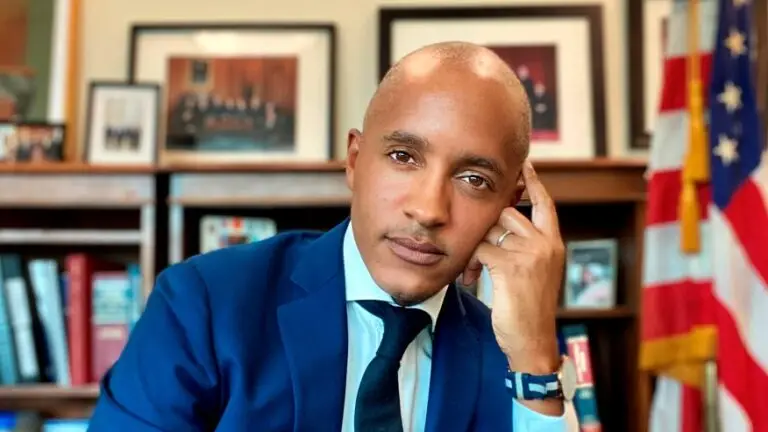
On Wednesday, Minister of Innovation, Science, and Industry, Francois-Philippe Champagne, announced the government’s decision following a comprehensive review of the popular social media platform. While the app’s operations are being restricted, Canadian users can continue to download and engage with TikTok.
“The focus of these measures is to mitigate any potential security risks tied to ByteDance’s operations on Canadian soil,” Champagne explained. Despite the crackdown on operations, he clarified that individuals retain the personal choice to engage with the app.
This action follows Canada’s previous ban on TikTok from all government devices last year, accompanied by a thorough investigation into its operations. Champagne pointed out that this latest action was made in line with legislation designed to evaluate foreign investments that could compromise Canada’s national security interests.
Expert Opinions on the Move
While the decision has received support for addressing potential risks, some experts believe the measures could have unintended consequences. Michael Geist, a cyber expert from the University of Ottawa, expressed caution, stating that restricting the company’s operations rather than focusing on the app itself might weaken oversight efforts. “While the concerns are valid, banning the company could make it more challenging to ensure accountability while the security risks remain,” Geist wrote on his blog.
Global Pressure Mounts on TikTok
Canada’s decision follows similar actions in the United States, where TikTok faces the threat of being banned unless ByteDance relinquishes its ownership. U.S. authorities have raised alarms about the app’s potential for collecting user data and its alleged ties to the Chinese government. These concerns include accusations of the platform being used for surveillance and spreading propaganda—claims both TikTok and Beijing have consistently denied.
As global scrutiny intensifies, the debate over TikTok’s future remains unresolved, leaving users and policymakers to navigate the complexities of national security and digital freedom.