
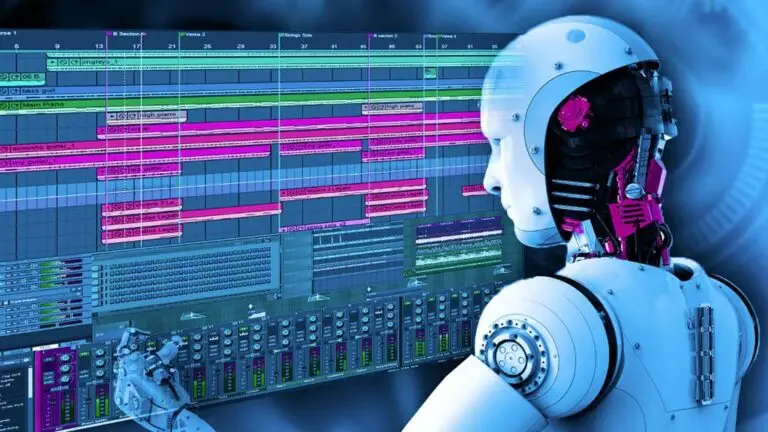

Recent events in the United States have sparked a national conversation about the implications of artificial intelligence (AI) in the music industry. A North Carolina man, Michael Smith, was arrested for allegedly using AI to generate hundreds of thousands of songs, which he then streamed through bot accounts, ultimately defrauding music platforms of over $10 million. This unprecedented case has raised alarms among artists and industry professionals about the potential misuse of technology in music streaming.
As discussions unfold, local Jamaican artists and industry insiders are contemplating the effects AI might have on the local music scene, particularly the dub plate culture. While some view AI as a harmless tool, others see it as a looming threat that could disrupt traditional practices and artistry.
Industry Voices on AI’s Influence
Opinions are divided within the Jamaican music community regarding the role AI might play in the future. Radio DJ and selector DJ Rush argues that the real issue is not AI itself but rather the declining quality of music in the current landscape. “The market is struggling not because of AI but because people are not willing to pay for subpar music. The focus should be on improving the quality rather than worrying about technology,” he remarked.
Matthew Gray from Coppershot echoed this sentiment, stating, “The current music trends don’t lend themselves to dubplates, so I don’t foresee AI disrupting this aspect. It could foster creativity, but it won’t replace the personal touch of dubplate culture, which is not particularly strong right now.”
Contrarily, DJ Marc Chin offered a different perspective, recognizing the potential of AI to innovate within the industry. He noted, “Technology tends to prevail in all sectors. If someone wants a Vybz Kartel dubplate that’s hard to obtain, AI could provide an alternative. However, I don’t think it will resonate deeply with DJs who are rooted in our culture, especially in the clash scene.”
The Double-Edged Sword of Technology
Foota Hype, a well-known selector, believes that while AI can offer some benefits, it poses significant risks. He warned, “AI could lead to misuse beyond just music. Someone could replicate your voice to commit a crime or create disrespectful content that tarnishes your reputation.” Foota also pointed out that AI could help artists like Vybz Kartel, who faces vocal challenges due to health issues, allowing them to perform with a digital version of their voice. However, he remains cautious about its overall implications, stressing that the dangers far outweigh the positives.
Promoter Andrew Powell added his voice to the discussion, asserting, “AI has the potential to disrupt the dubplate sector significantly. Artists need to find ways to control this technology to prevent it from devaluing their work and leading to unintended consequences.”
Global Industry Response
The concerns over AI’s impact are not limited to Jamaica. The international music community is already mobilizing against potential threats posed by artificial intelligence. Over 200 high-profile artists, including Billie Eilish and Katy Perry, have signed an open letter organized by the Artist Rights Alliance, urging AI developers and music platforms to consider the ramifications of their technology on artists’ livelihoods. They emphasize the risk of deep fakes and voice cloning undermining the integrity of creative work.
As the debate continues, the music industry faces a critical juncture. Will AI serve as a tool for innovation and collaboration, or will it disrupt the very foundations of artistry? The answers remain uncertain, but one thing is clear: the conversation about AI’s role in music is just beginning, and its outcome will shape the future of the industry for years to come.